“Everyone is welcome” is a meaningful invitation when people can find out what attendance will actually involve. Families may need information about a route, a restroom, a communication option, or a place to take a break before deciding whether an event will work for them.
An access plan begins with practical questions and a willingness to change the answer when a barrier is identified. A checklist can help, but it should support conversations with disabled people rather than replace them.
Publish useful information before arrival
Describe where people enter, how they can ask an access question, and what conditions they can expect. If there are lights, amplified sound, queues, or crowded transitions, say so clearly. Do not promise a sensory-free environment that an event cannot provide.
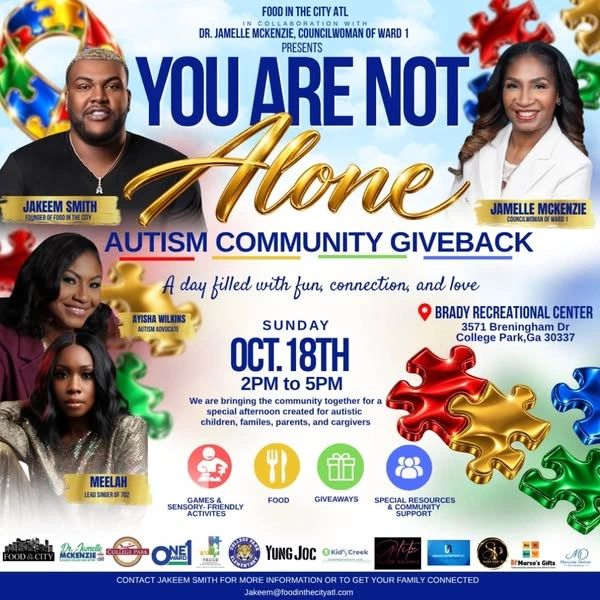
Give a real contact and enough time for requests. If information changes, update the same place people used to plan their visit. An old flyer can continue circulating long after a schedule changes.
Consider communication throughout the day
Effective communication is more than a microphone that works. The Department of Justice’s ADA guidance discusses the need for appropriate communication aids and services in context. Organizers should review the requirements that apply to their setting and plan with the people affected.
For day-to-day preparation, make directions available in a clear written form, keep signs readable, and identify staff who can answer questions. Respect AAC users’ time to communicate. Ask the person what works rather than assuming a companion should answer everything.
Build choices into participation
Where practical, allow people to watch first, step away, or rejoin. Explain any limits honestly. A quieter corner should not become a place where disabled participants are expected to remain out of sight.
Check routes and seating with the actual layout in place. A clear path during setup can disappear when a vendor moves a table or a queue forms. Staff need to know how to keep access available during the event.
Invite feedback with a next step
Afterward, ask what worked and what remained difficult. Record the action, the person responsible, and what needs to be checked before the next event. Accessibility improves when feedback changes a plan rather than disappearing into a thank-you message.
Explore our local event coverage for examples of organizers announcing calmer and more flexible experiences.