A holiday gathering can be loving and exhausting at the same time. Thanksgiving may bring new smells, a changed schedule, crowded rooms, and relatives with strong ideas about how a family meal should look. Planning ahead gives people a chance to take part without making discomfort the price of belonging.
These are editorial planning suggestions for Thanksgiving, informed by broader seasonal guidance from the National Autistic Society. They are not a clinical plan or a claim that the organization has endorsed this particular Thanksgiving guide.
Share a plan that people can trust
Tell guests what you know: when you expect to arrive, what the meal involves, and how the visit might end. Be honest about anything uncertain. If the schedule changes, communicate the change in a format the person can use rather than assuming they will work it out from the room.
A host can offer information without requiring a family to share a diagnosis. Asking what would make the visit more workable is often enough to begin.
Keep food from becoming a public test
Discuss food preferences before the gathering. A familiar option can sit beside traditional dishes without becoming a topic for the whole table. Avoid pressuring someone to taste a food, explaining their eating to other guests, or turning a holiday meal into an unplanned intervention.
Families with medical dietary needs should make arrangements with the appropriate professionals and host. This article does not recommend a therapeutic diet for autism.
Make breaks and boundaries ordinary
Ask whether there is a place to step away from conversation and activity. Explain that taking a break does not mean someone dislikes the family. Let greetings work through words, gestures, waves, or another preferred response; affection does not require a hug.
If a child or adult wants to leave early, treat that as part of the plan rather than a failure of gratitude. When possible, offer the choice privately instead of asking for an answer in front of the whole gathering.
Leave room for a different tradition
A smaller meal, a shorter visit, or celebrating on another day may work better. A meaningful holiday can be built around the people attending. The tradition worth keeping is the welcome: a place where someone’s food, communication, or need for quiet does not put their belonging in question.
Sources & further reading
Reporting checked October 20, 2026. Service details and event availability can change.
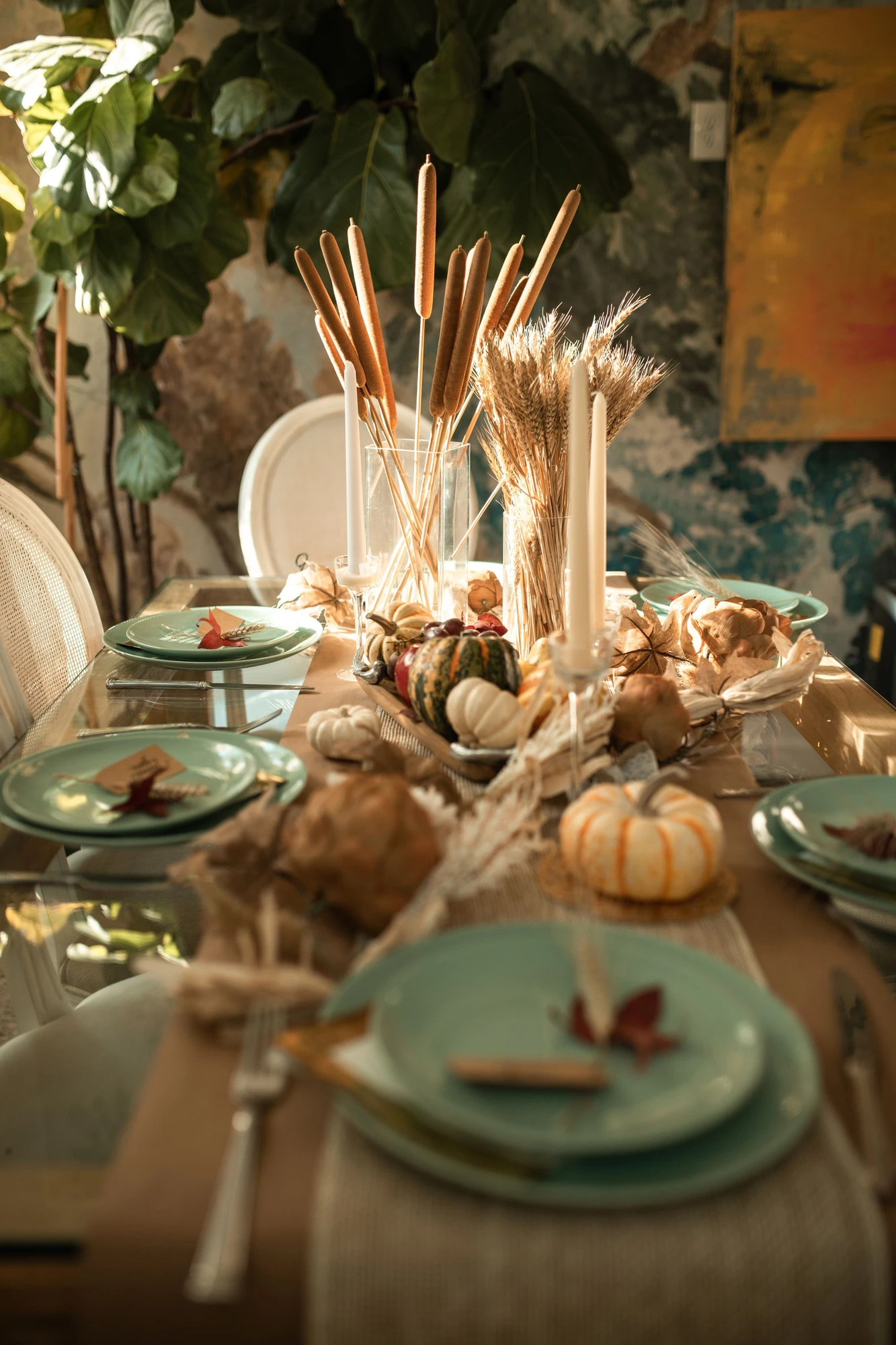
Photograph: RDNE Stock project / Pexels · Pexels License. Resized and converted to WebP; previews may crop the image.