
Halloween can offer imagination, favorite characters, and neighborhood connection. It can also bring unfamiliar clothing, sudden sounds, flashing decorations, and social expectations. With October 31 approaching, families can begin with a question that is more useful than how to do everything: which parts does this child actually want?
The National Autistic Society’s Halloween guidance highlights the importance of preparing around individual preferences. The ideas below are flexible planning options, not a checklist every family must complete.
Let the costume be a choice
A favorite shirt, a small accessory, ordinary clothing, or no costume at all can be part of a celebration. If a child wants a costume, offer time to try it in a comfortable setting and permission to change their mind. Avoid making participation depend on keeping an uncomfortable item on.
Talk about masks and face paint only if they are relevant to the child’s plans. A photograph is not more important than the person wearing the costume.
Make trick-or-treating smaller if that helps
A short route to a familiar home may be enough. Agree on a way to stop, skip a house, or head back. Preview only the details you know, and keep room for an unexpected display or crowd.
Speaking a phrase should not be an admission requirement for receiving a treat. A child may use a device, gesture, card, or another person’s help. Families do not owe strangers a diagnosis to explain that choice.
Celebrate somewhere else—or stay home
Some families prefer a familiar gathering, an activity at home, or handing out treats from a comfortable distance. A quiet evening with a favorite film can be a celebration too. Siblings can help plan choices without being asked to judge whether another child has done Halloween correctly.
Check any advertised community event directly for its actual sound, lighting, crowd, and ticket arrangements. The phrase sensory-friendly alone does not tell you whether it suits your family.
A note for neighbors
Welcome different ways of communicating. Avoid demanding eye contact, a spoken thank-you, or an explanation for ordinary clothing. Keep the interaction kind and brief when that is what a visitor needs. A flexible welcome can turn a small moment at a doorway into a more inclusive neighborhood tradition.
Sources & further reading
Reporting checked October 20, 2026. Service details and event availability can change.
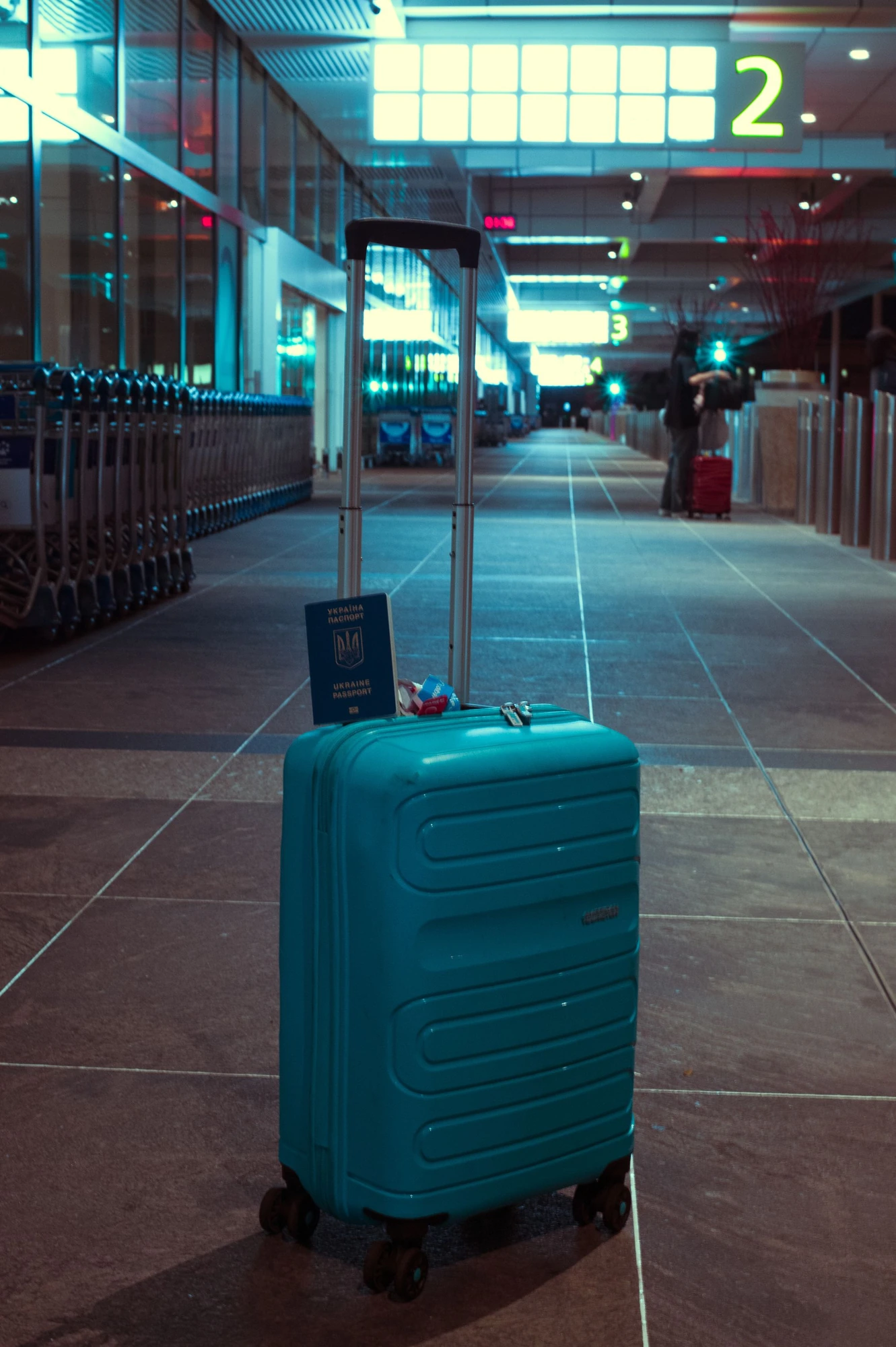
Photograph: Toni Cuenca / Pexels · Pexels License. Resized and converted to WebP; previews may crop the image.