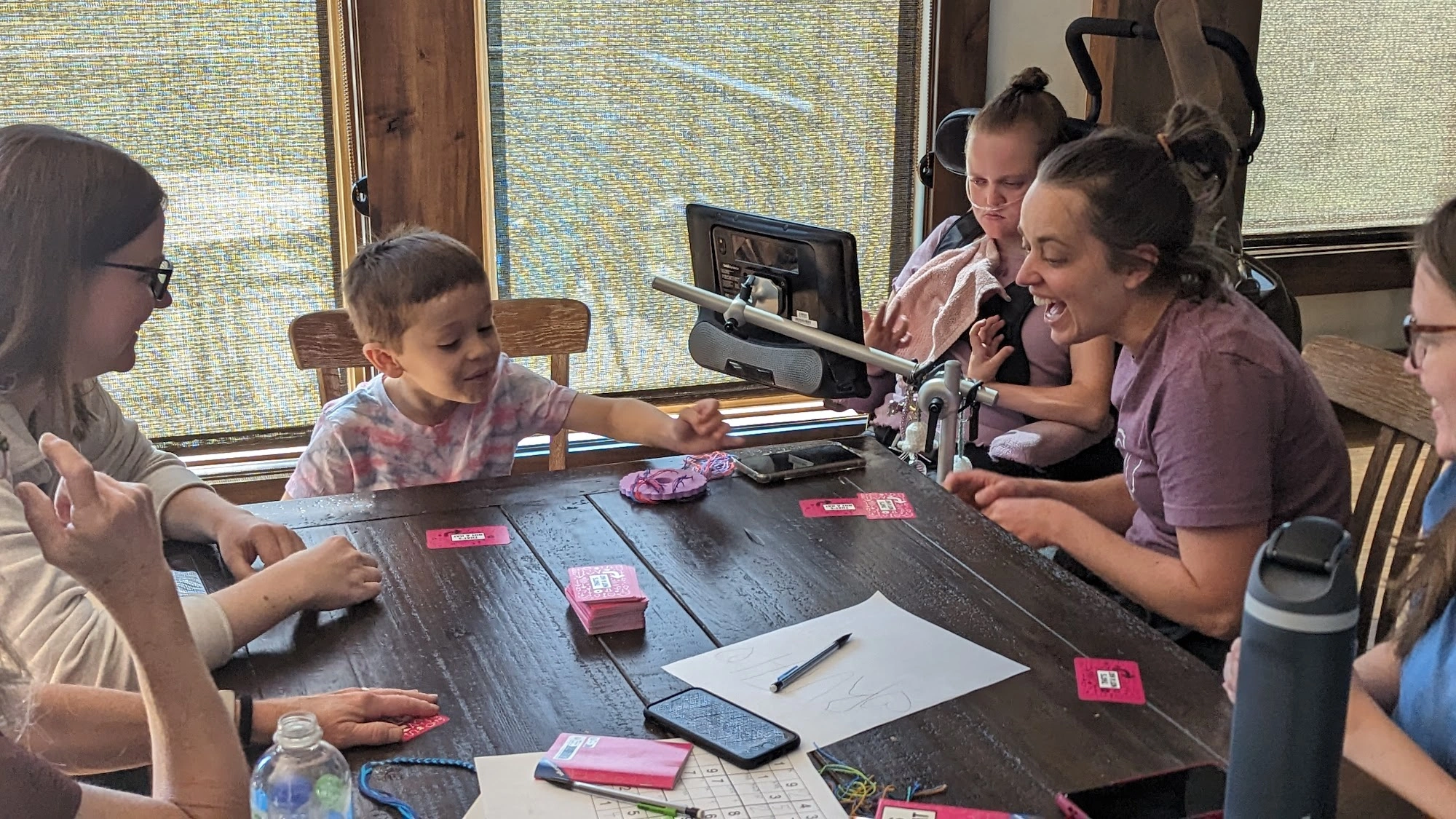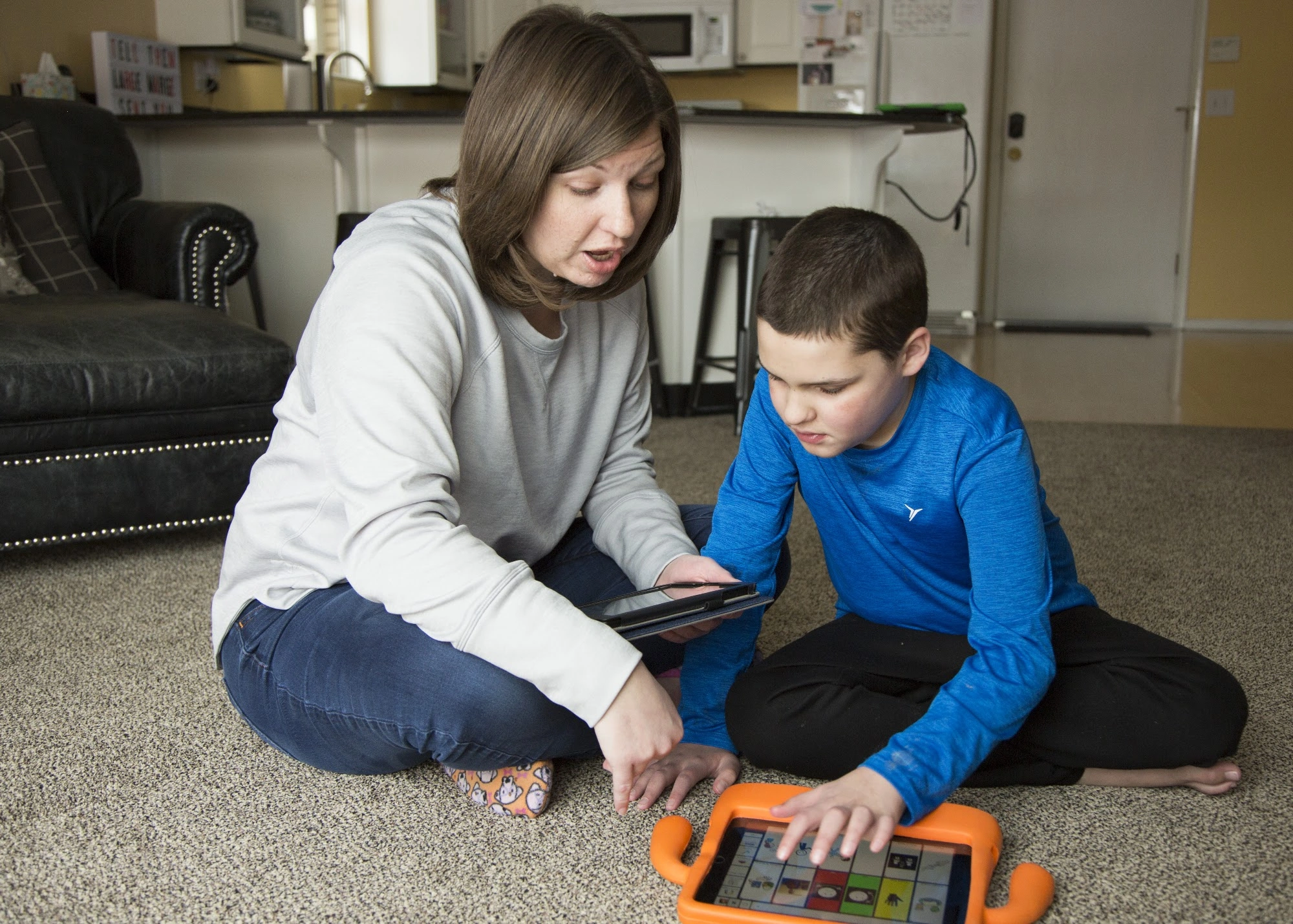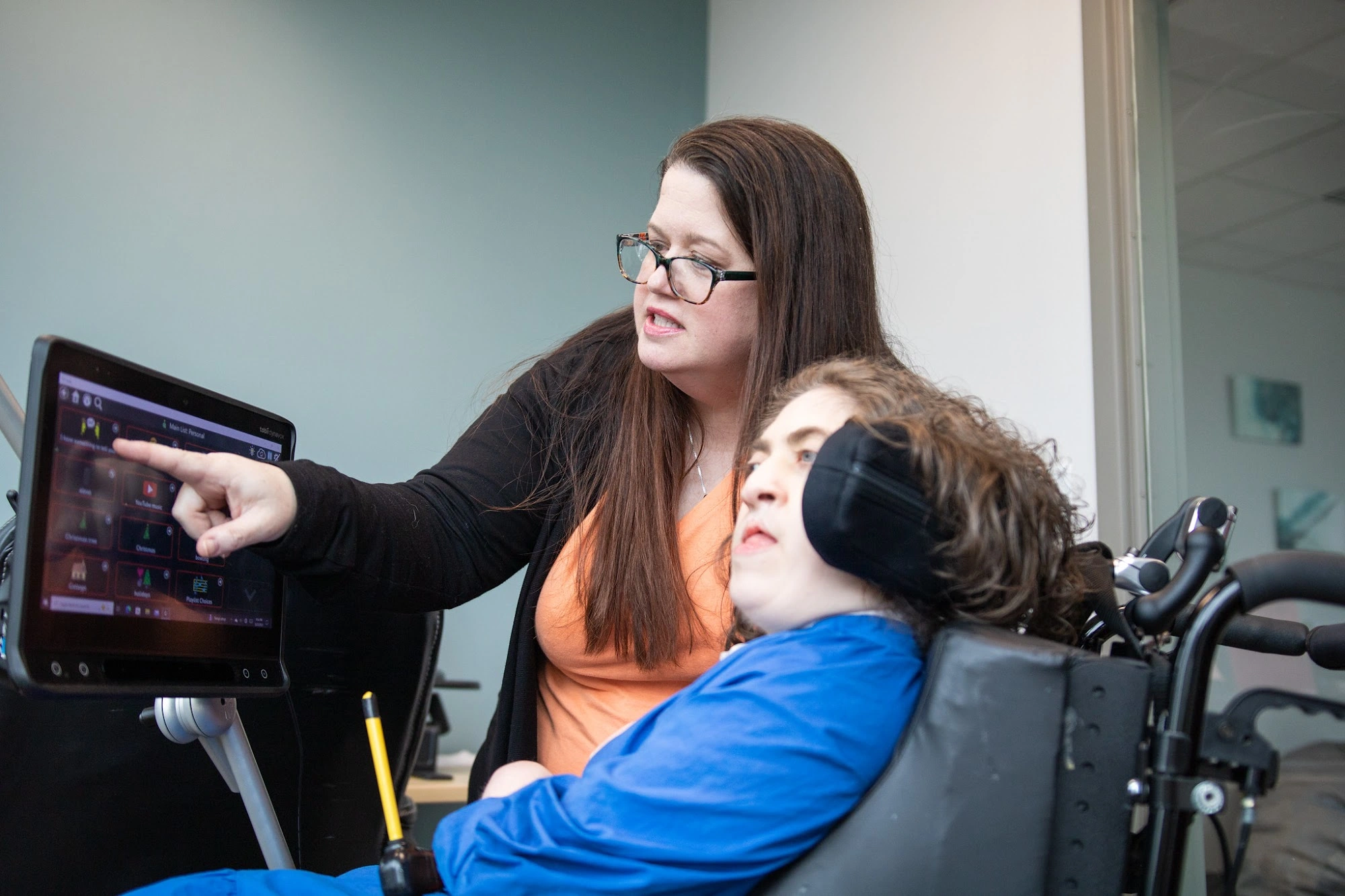
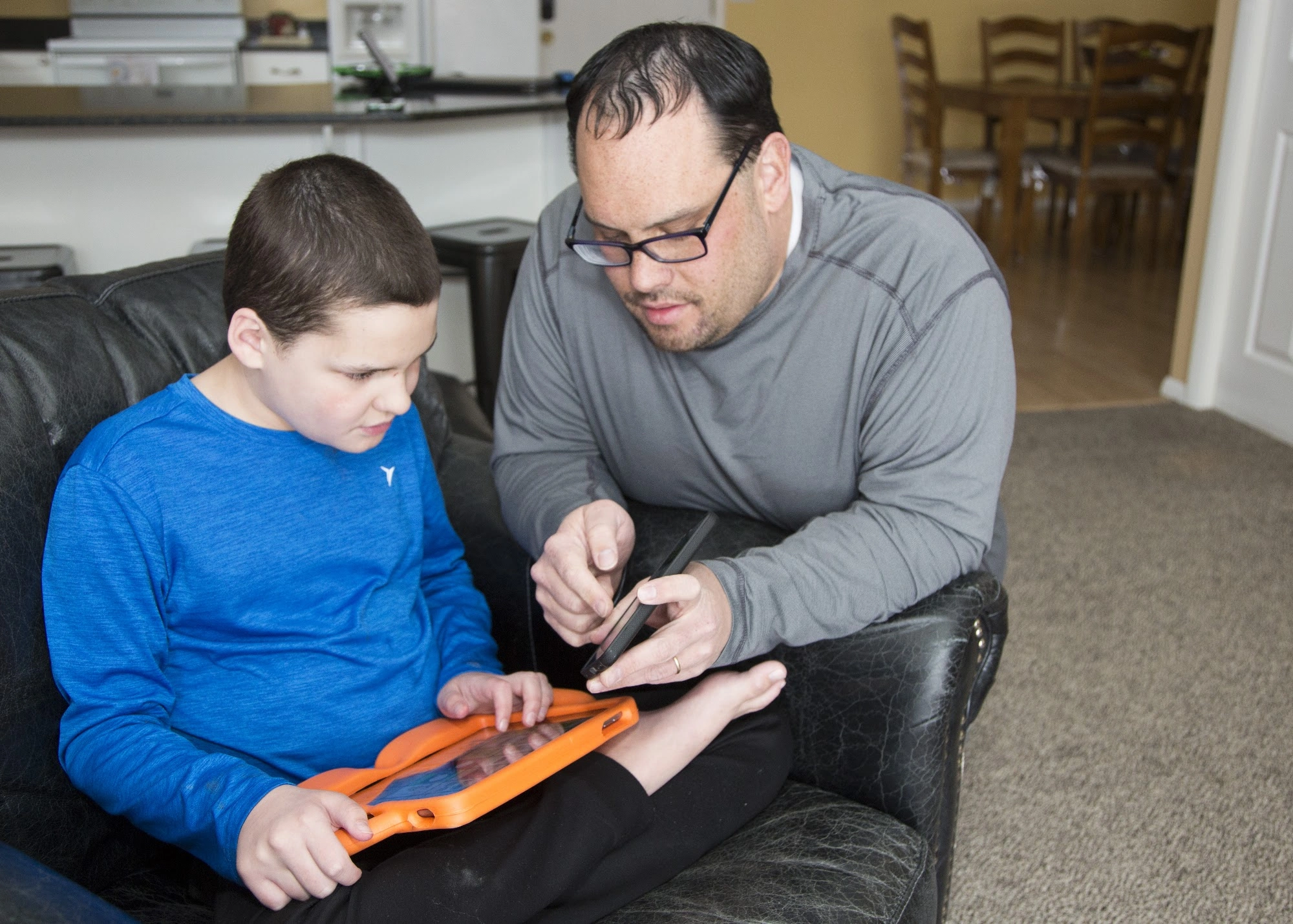
When someone says “AAC,” many people picture a tablet that speaks. Augmentative and alternative communication is broader than a single device. During AAC Awareness Month, the most useful starting point is the person communicating, rather than the equipment we expect to see.
ASHA describes AAC as ways of communicating in addition to, or instead of, speech. It can include a range of tools and methods. A person’s communication may look different across a day, and a useful system should fit real situations rather than exist only for a demonstration.
Communication belongs in everyday life
Think about all the reasons you communicate: to ask a question, disagree, greet a friend, share a joke, describe discomfort, or say you have had enough. AAC users need room for that same range. A tool used only to request snacks leaves many parts of a person’s life out of the conversation.
Notice where communication happens in your family: the car, the playground, the kitchen, and the quiet moment before bed. Those observations can help a professional understand what access needs to look like in context.
Does a person have to pass a test first?
The National Joint Committee guidance hosted by ASHA rejects prerequisite cognitive scores or skills as a condition for access to AAC. That does not mean every system is interchangeable. It means a person’s need to communicate should not be dismissed because they have not met an arbitrary readiness rule.
If you are considering AAC, ask a qualified speech-language pathologist about assessment and individualized support. Describe the communication methods already in use, the settings that are difficult, and what the person wants to express.
Start by listening differently
Make space for a response. Pay attention to the person’s message rather than treating the tool as a performance. Include communication partners in learning what supports access, and ask the AAC user how they want others to engage when they can share that preference.
AAC Awareness Month can begin with learning a term. Its value grows when a person has more opportunities to be understood and to shape what happens in their own life.
Continue with our guide to AAC beyond requests.