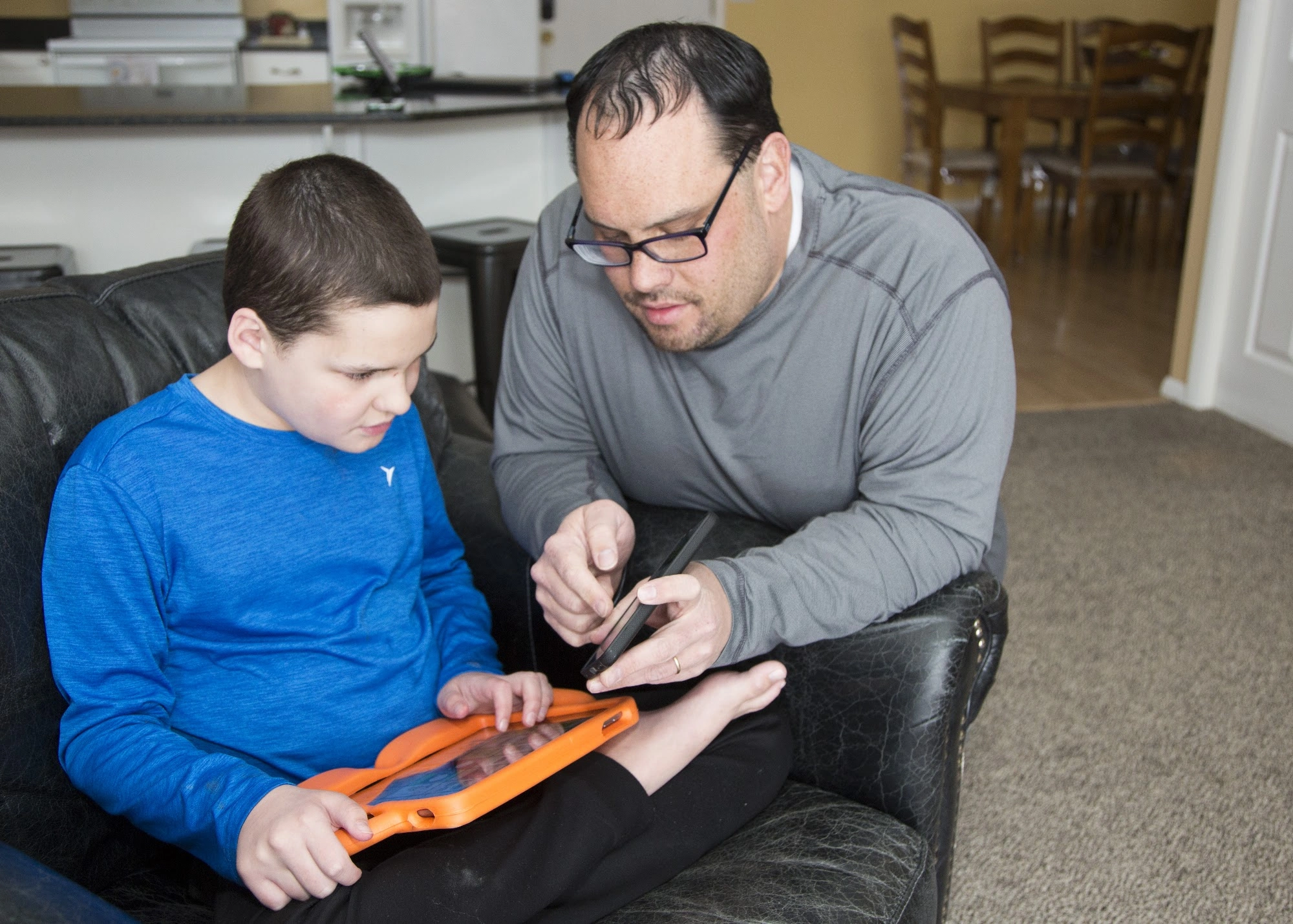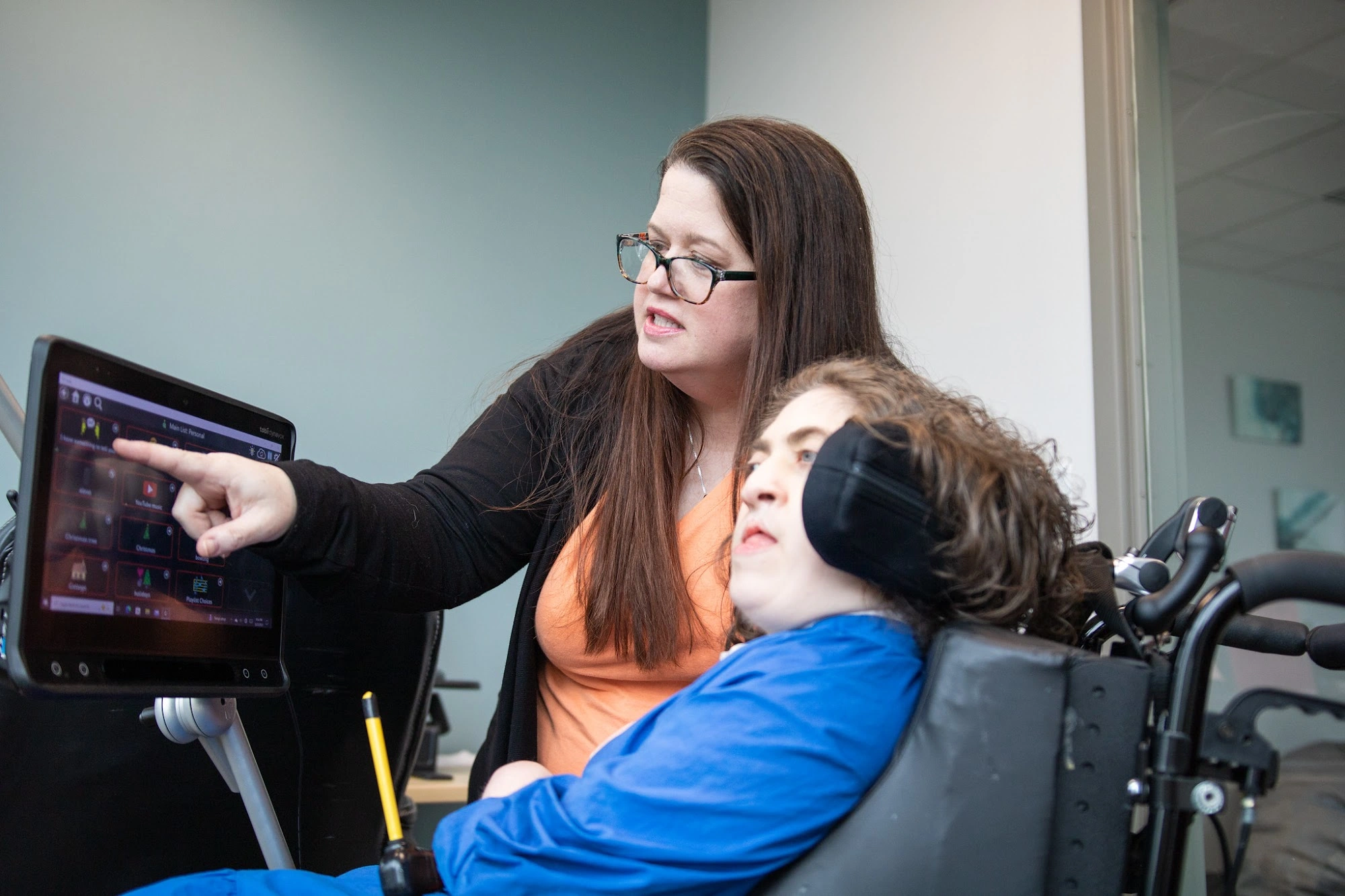
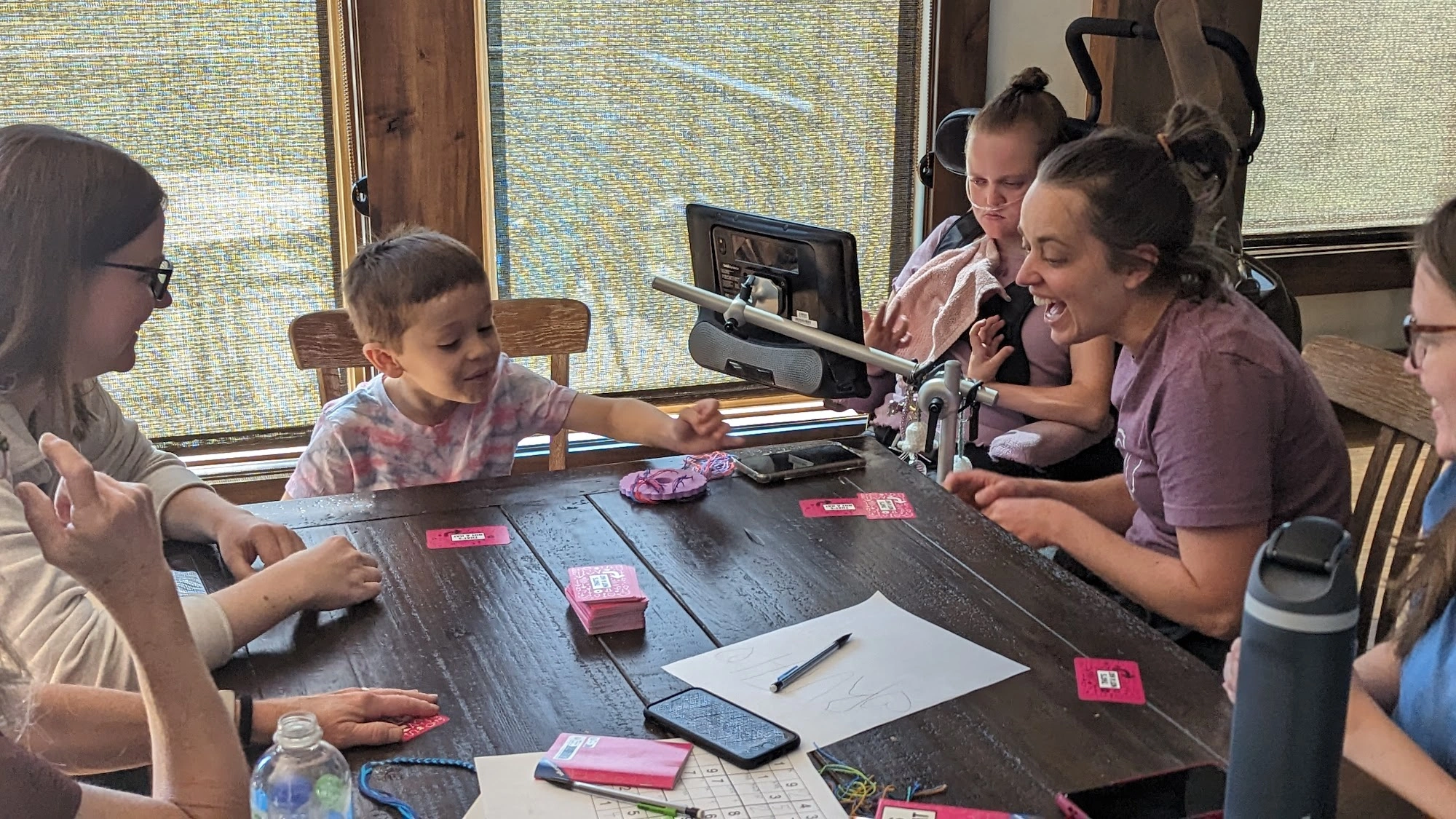
Imagine being able to ask for something to drink but not tell a friend that a joke was funny. Imagine being invited to choose an activity but having no reliable way to say you want to leave. Communication is larger than getting an item, and AAC opportunities should reflect that.
During AAC Awareness Month, families and community spaces can look at the range of messages a person has the chance to express. The question is not simply whether a response was correct. It is whether the person has room to say what they mean.
A message is more than an adult’s prompt
Requests are useful, but so are comments, questions, greetings, and opinions. Notice whether conversations always begin with someone testing the AAC user. An exchange can include shared interests and unexpected messages rather than a series of instructions to produce a word.
When a person communicates something you did not expect, respond to its meaning. If you do not understand, acknowledge that and work toward clarification respectfully. Pretending a message did not happen can end the conversation before it begins.
“No” belongs in the conversation
The Communication Bill of Rights from the National Joint Committee emphasizes choice, refusal, and being heard. A person’s communication matters even when the answer is inconvenient to someone else. Boundaries should not become less important because they are expressed through a device or a different method.
In everyday life, ask whether someone has a way to decline an activity, request a break, or tell you something feels wrong. Work with the person and their qualified support team on the language and access that fit their circumstances.
Include the ordinary moments
Talk about music, a favorite character, a surprising event, or a family joke. Relationships grow through shared moments that are not always instructional. Allow a conversation to be enjoyable without turning it into a lesson.
Communication tools should be available in the places a person spends time. If access repeatedly disappears during transitions or outings, make that a planning question rather than expecting the person to manage without a voice.
Keep the person at the center
There is no single script that fits every communicator. Listen, ask about preferences when possible, and seek individualized professional support for system decisions. The aim is a fuller conversation and more agency in everyday life.
Explore more AAC Awareness Month resources.