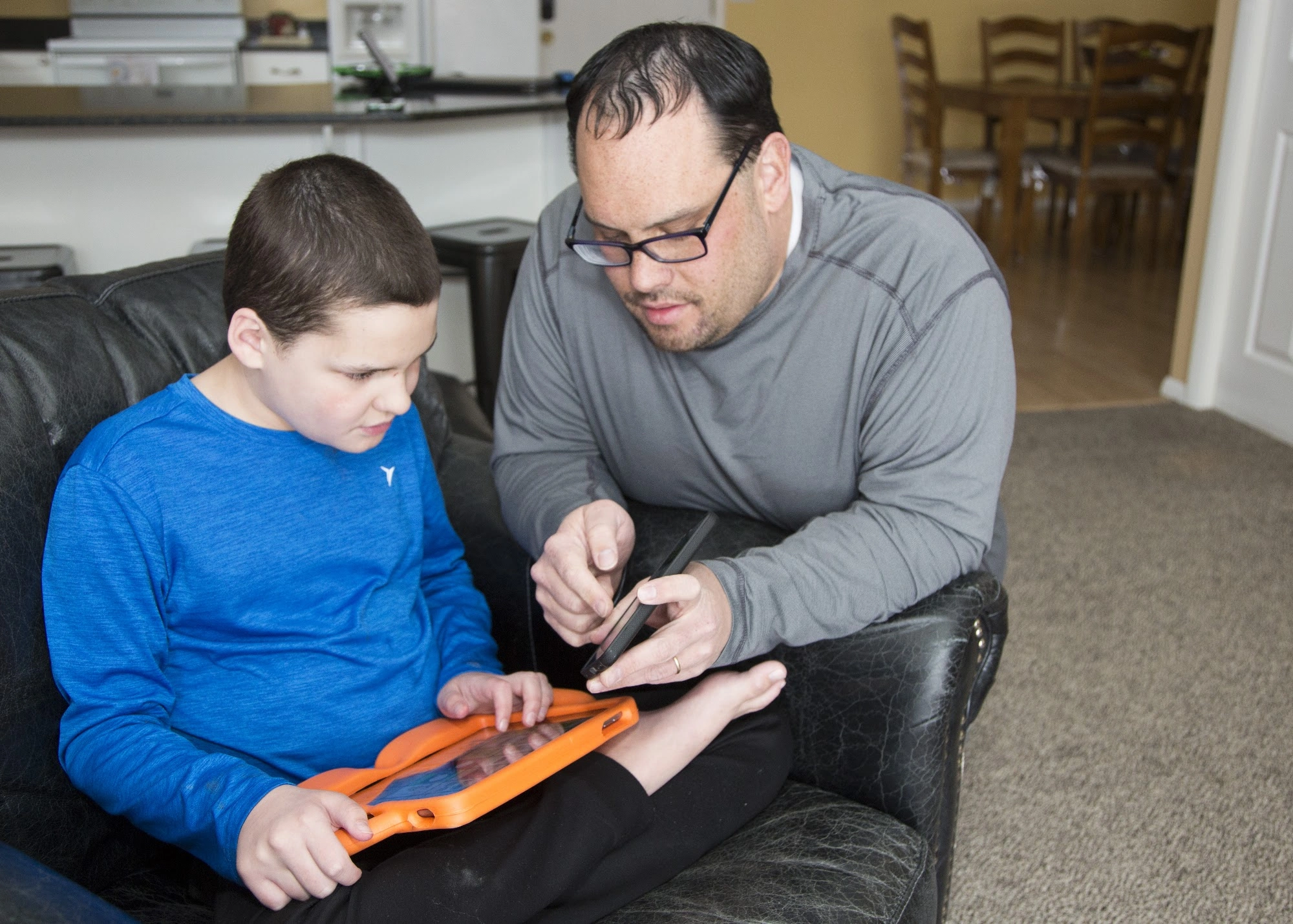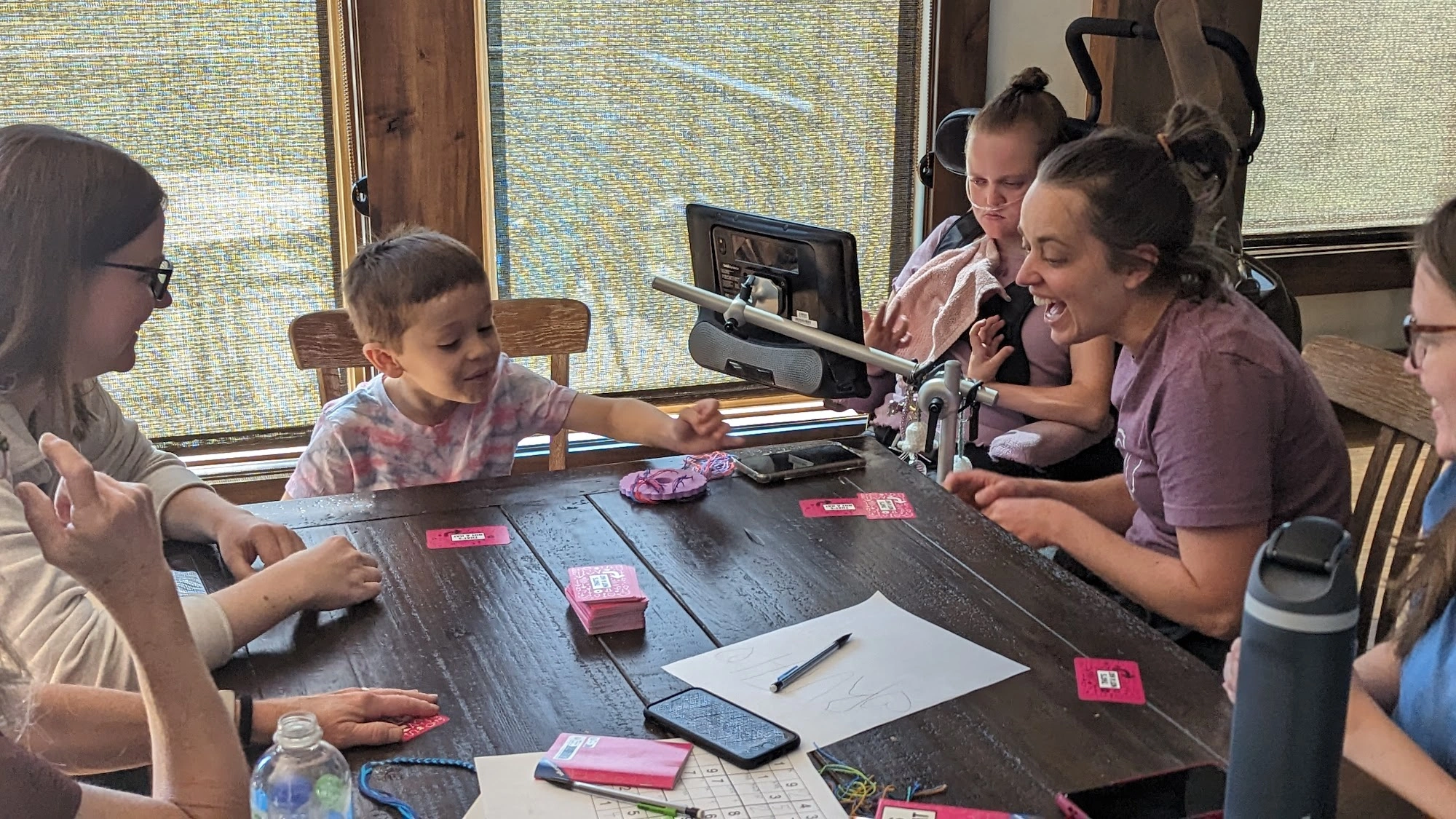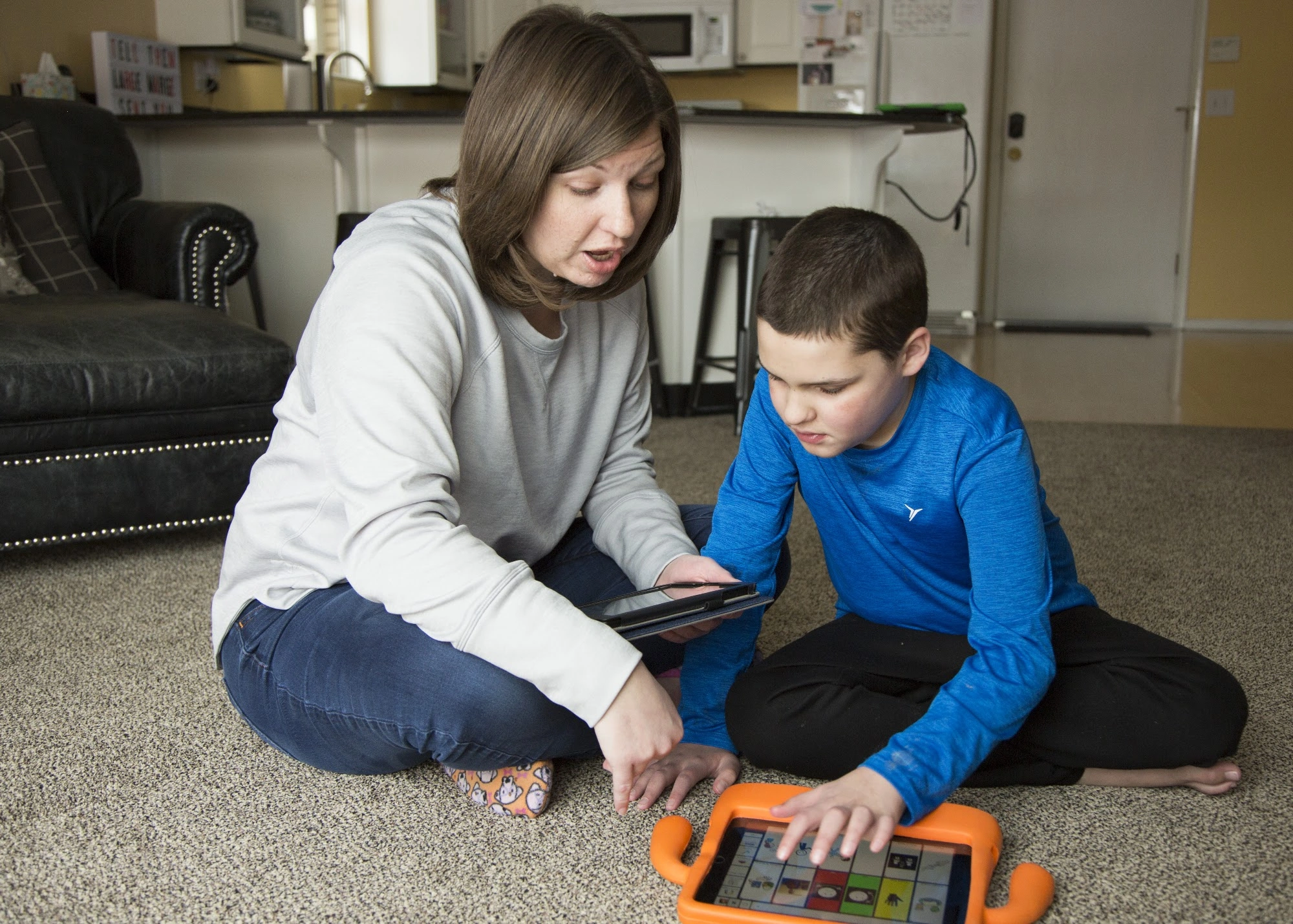
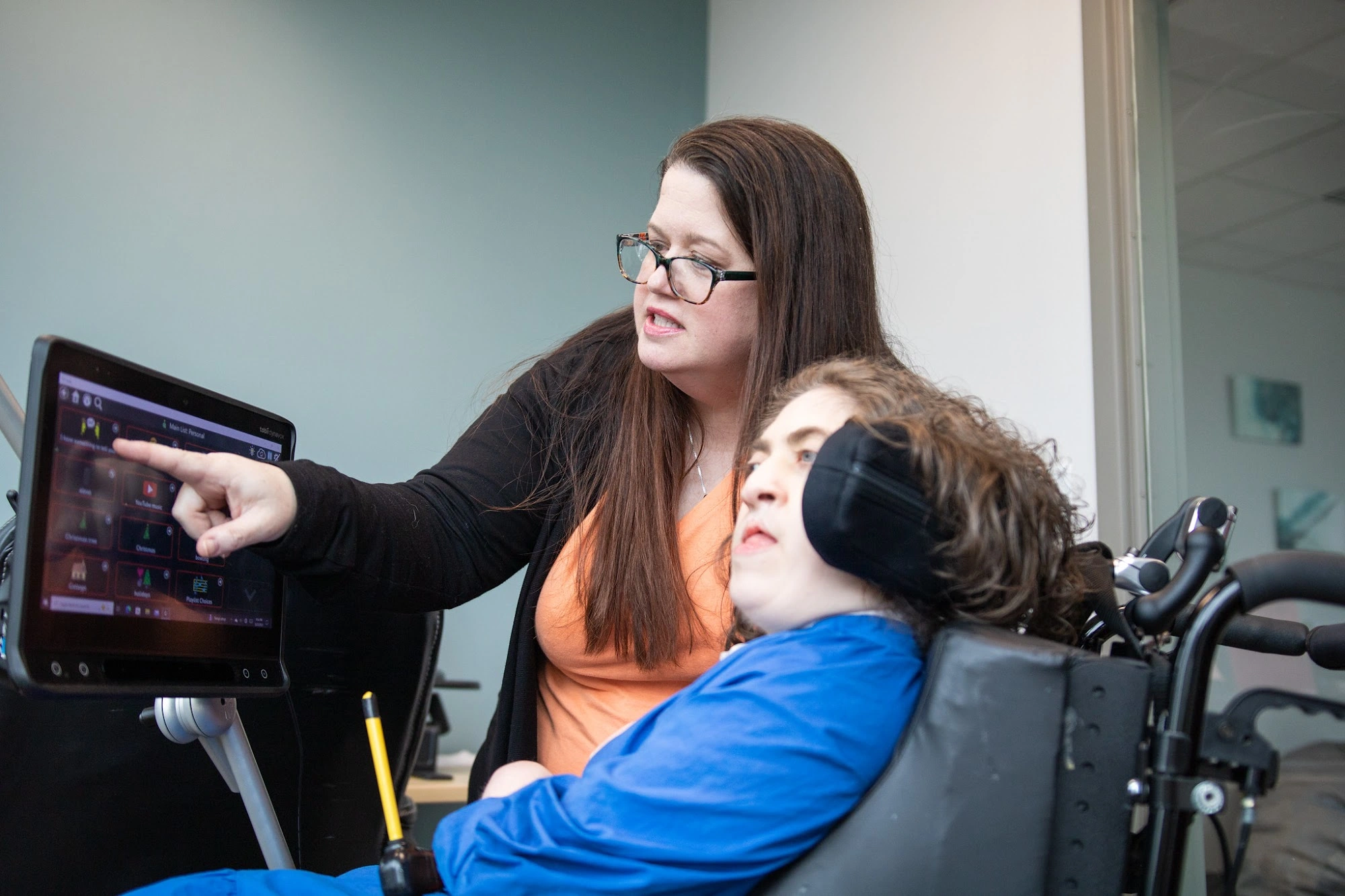
A communication system can be listed in a document and still be difficult to use during a busy school day. If your child uses AAC, an IEP conversation is an opportunity to ask how access will work in actual lessons, transitions, activities, and social moments.
Begin with what the student wants and needs to communicate. The discussion should be about participation, rather than merely whether a device is present in the building.
Walk through a real day
Ask the team to describe arrival, classroom instruction, lunch, recess, and dismissal. Where is the communication system during each part? What happens when a class moves, an adult changes, or equipment needs charging? Specific examples can reveal a gap that a broad promise misses.
Bring observations from home and invite the student’s own perspective in an accessible way. A communication preference expressed through AAC, gestures, speech, or another method deserves attention.
Discuss adult responsibilities
Who will help make the system available and working? What do communication partners need to learn? How will substitute staff receive the information they need? Ask how the plan will be communicated without putting the full burden on a child to explain it every day.
If a breakdown occurs, ask what the backup plan is. A second option should support the student’s communication rather than become a reason to leave the primary system unavailable.
Connect goals with meaningful communication
IDEA’s IEP-content regulation describes measurable annual academic and functional goals. Ask how proposed communication goals relate to participation and how progress will be shared. Counting a narrow task may not answer whether a child can ask for help or express a choice in daily life.
Federal assistive-technology rules also address school-purchased technology in other settings when the IEP team determines access is necessary for FAPE. Decisions depend on the individual plan; do not assume a universal device rule from another family’s experience.
Leave with clear next steps
Summarize the questions that were answered, the information still needed, and who is following up. Keep a copy of the plan and review whether it matches what the student experiences.
For help organizing a meeting conversation, read Dr. Crystal Jordan, L.H.D.’s preparation guide or request IEP advocacy support.