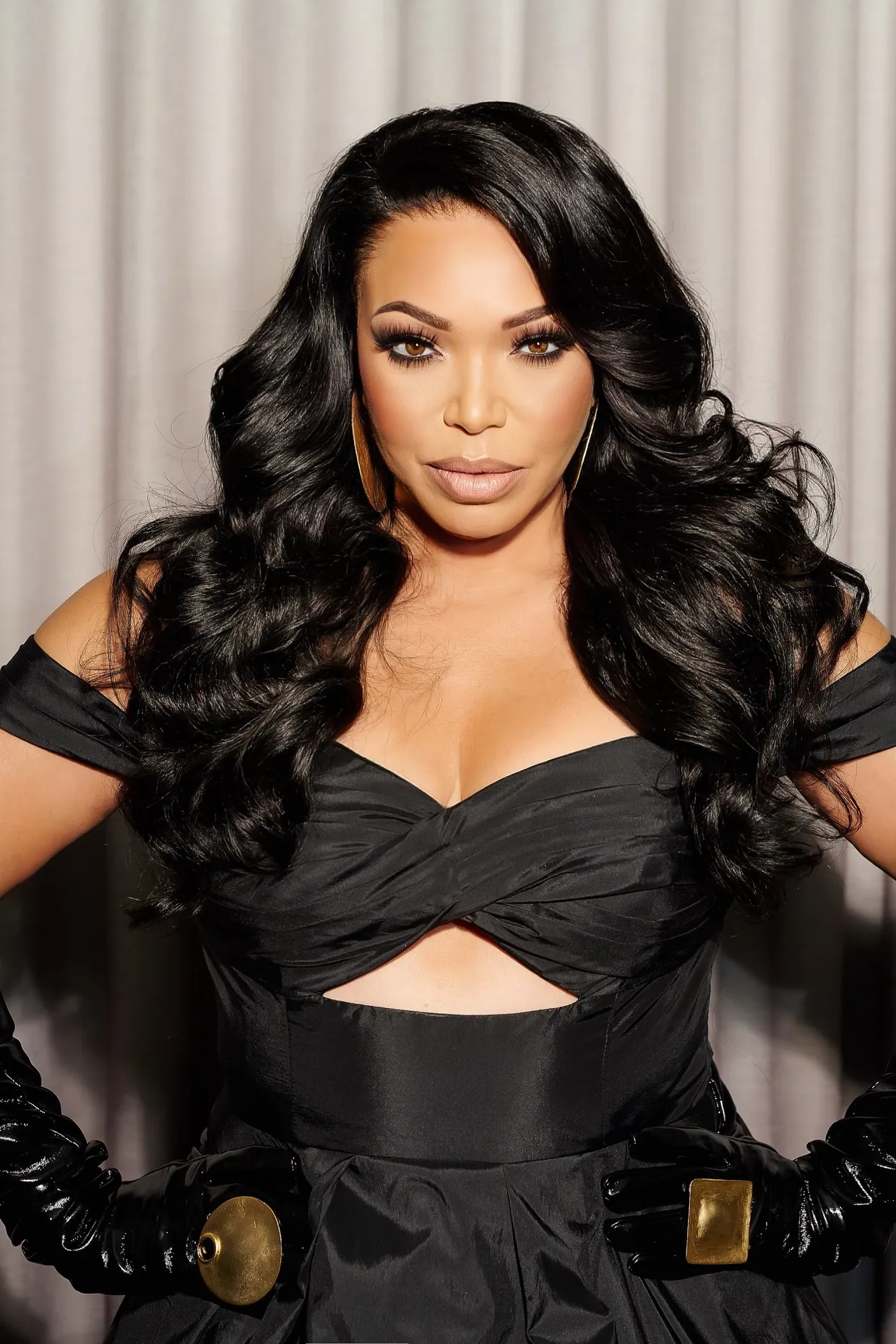
Behind a familiar name is a family learning how to listen, advocate, and make room for each person’s future. Tisha Campbell, Holly Robinson Peete, and Toni Braxton have each spoken publicly about a son’s autism diagnosis. Their experiences have brought Black autism families into conversations about representation, education, communication, and belonging.
The families are pictured together here because the sons are central to these stories. Their parents’ visibility can open a door, but the sons are people with their own perspectives and adult lives. A family photograph also does not tell us anyone’s diagnosis: this reporting relies on their public accounts.
Tisha Campbell and Xen Martin: a story told across generations
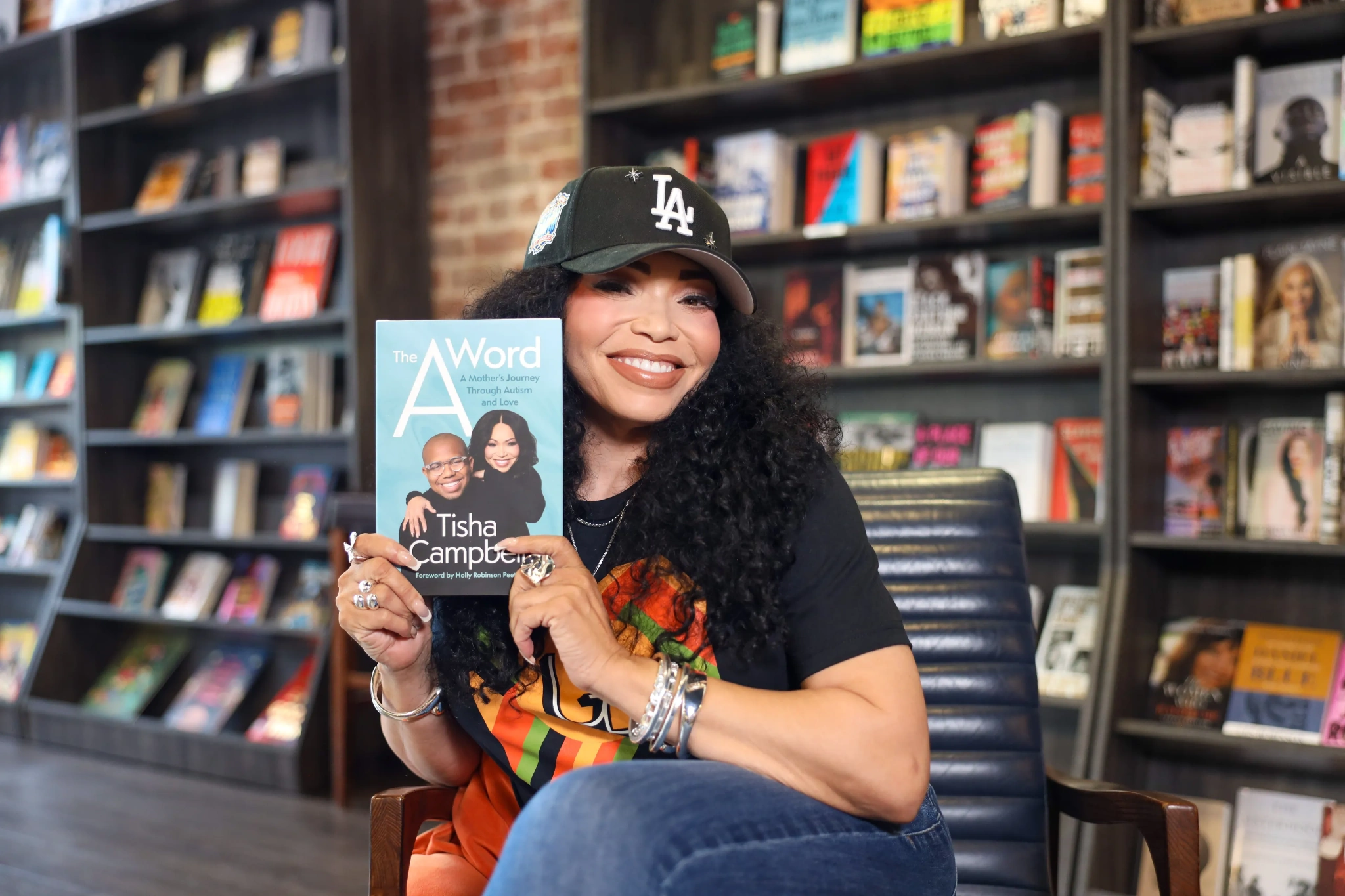
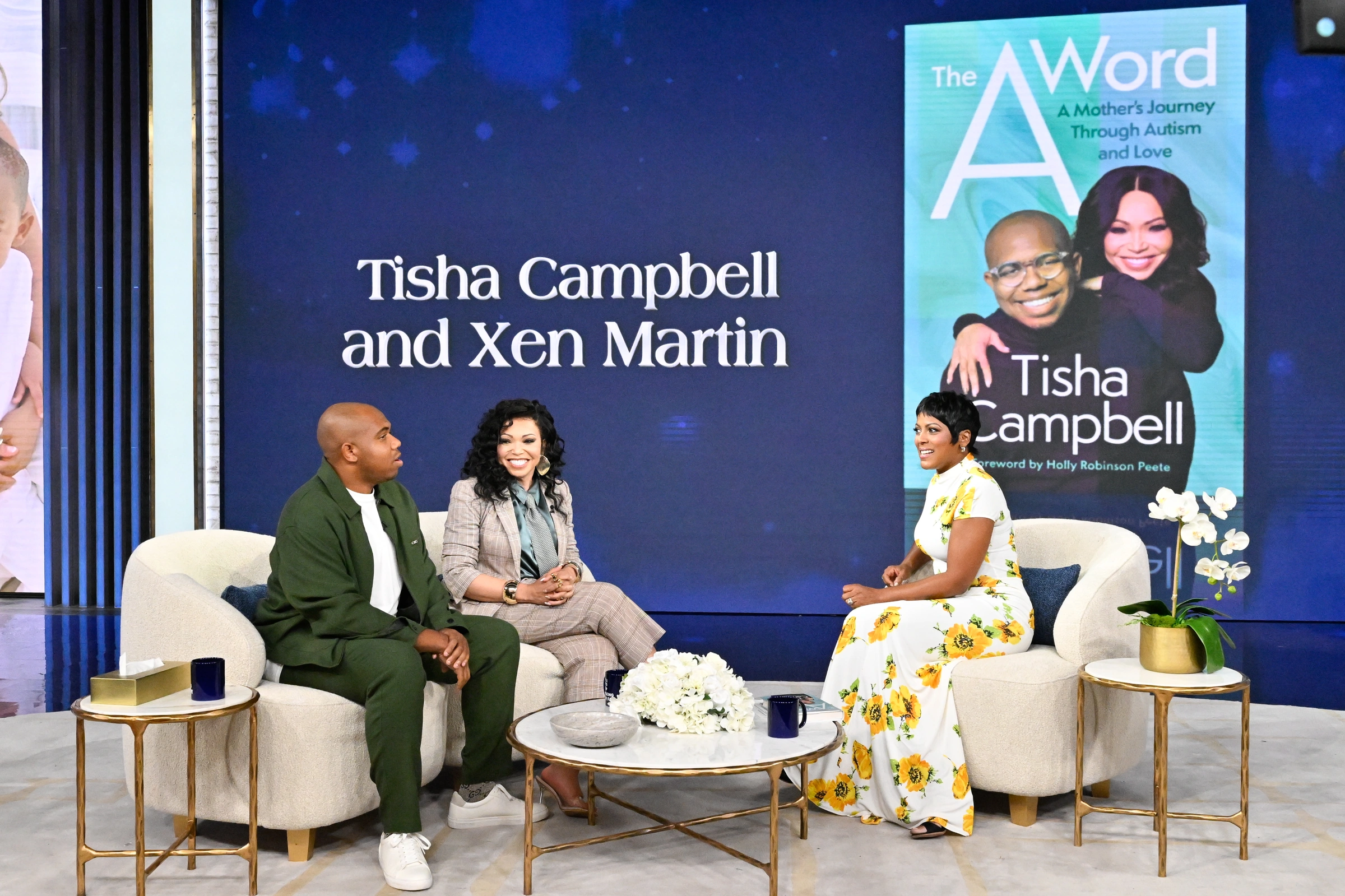
In September 2026, Campbell and Xen appeared together to discuss her memoir, The A Word: A Mother’s Journey Through Autism and Love. Their joint television and radio conversations let audiences hear a mother and son reflect on a shared history from different positions.
Campbell has described raising Xen after his early autism diagnosis. The memoir focuses on family experiences, finding support, and what she learned along the way. Xen’s participation matters: he is part of the conversation, rather than simply the subject of someone else’s story.
Her public discussion of her own diagnosis adds another layer to the family’s reporting. It should not be used to assume that every parent of an autistic child is autistic, or that the same experience explains every family. Read our feature on The A Word for more about the book.
Holly Robinson Peete and RJ Peete: advocacy, authorship, and growing up
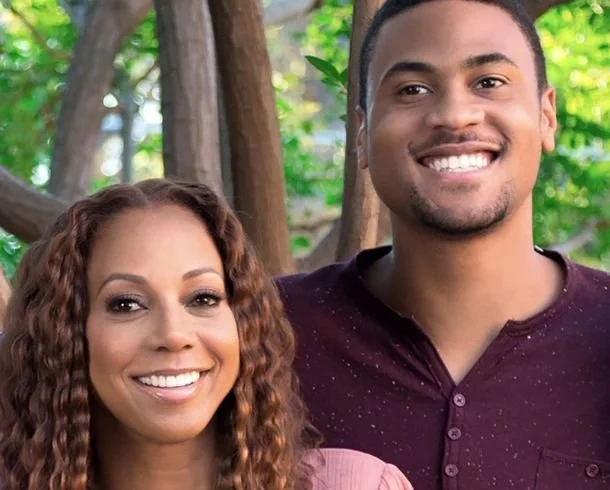
Holly Robinson Peete has discussed her son RJ’s diagnosis at age three and the expectations their family encountered. Over time, their public story has expanded beyond those early conversations. They co-wrote Charlie Makes a Splash!, bringing their family’s perspective into a children’s book about connection and inclusion.
Holly and Rodney Peete’s HollyRod Foundation connects their advocacy with autism support and Parkinson’s care. Families looking for current programs should consult the foundation directly. Celebrity visibility is an introduction to the work, while actual eligibility and services come from the organization providing them.
RJ’s place in the story should grow as he does. Autistic adults deserve space for work, relationships, interests, and choices—not a permanent retelling of what someone predicted when they were children.
Toni Braxton and Diezel: remembering a childhood diagnosis without defining an adult
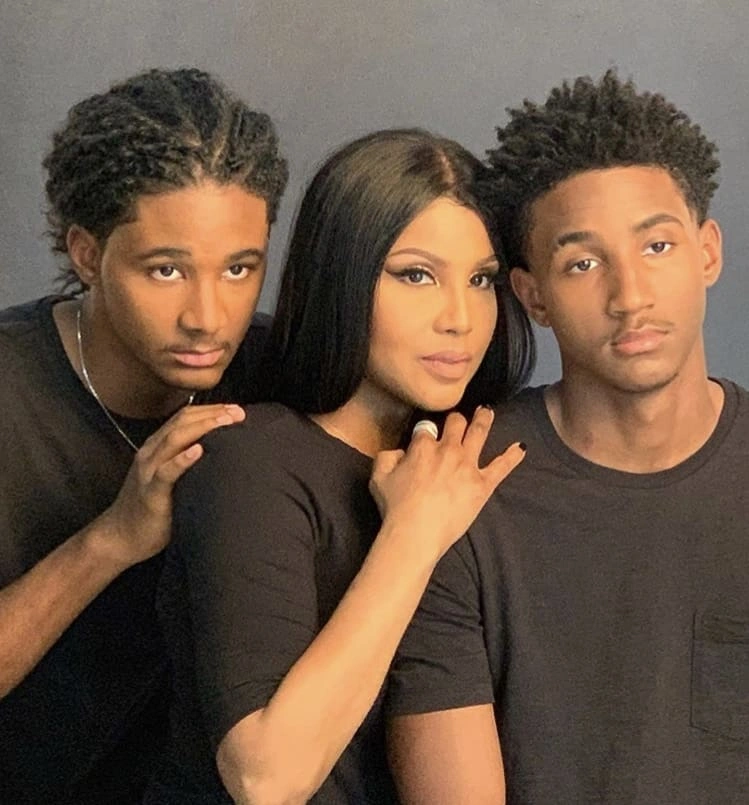
In a 2008 CNN interview, Toni Braxton spoke about Diezel’s autism diagnosis at age three. Her willingness to discuss the family’s experience helped make a conversation that can feel isolating more visible to Black parents.
The portrait includes both of Braxton’s sons, Denim and Diezel; the publicly reported autism history discussed here is Diezel’s. Including a sibling in a photograph does not imply that the sibling has the same diagnosis.
Older coverage has sometimes used language suggesting someone has “outgrown” autism. We do not turn those headlines into a current clinical assessment. Diezel’s present identity, experiences, and support preferences belong to him to describe. Milestones and success should be celebrated without being treated as evidence of a cure.
What families can take from these stories
Representation can offer recognition without becoming a comparison. A famous family’s resources, access, or timeline may look different from yours. Ask whose voice is included, what support would help in everyday life, and whether the autistic person has room to make choices.
Black autism families deserve practical information and belonging whether their stories appear on television or remain within their own communities. Explore our autism coverage and communication resources for more.