Searching for celebrities with autism can lead to lists that mix public disclosures with rumor. A more respectful starting point is simple: choose people who have spoken about being autistic themselves. Their accounts offer perspectives on work, creativity, and identity without turning the spectrum into a guessing game.
These four public figures have shared their experiences. Their stories are different, and none represents every autistic person.
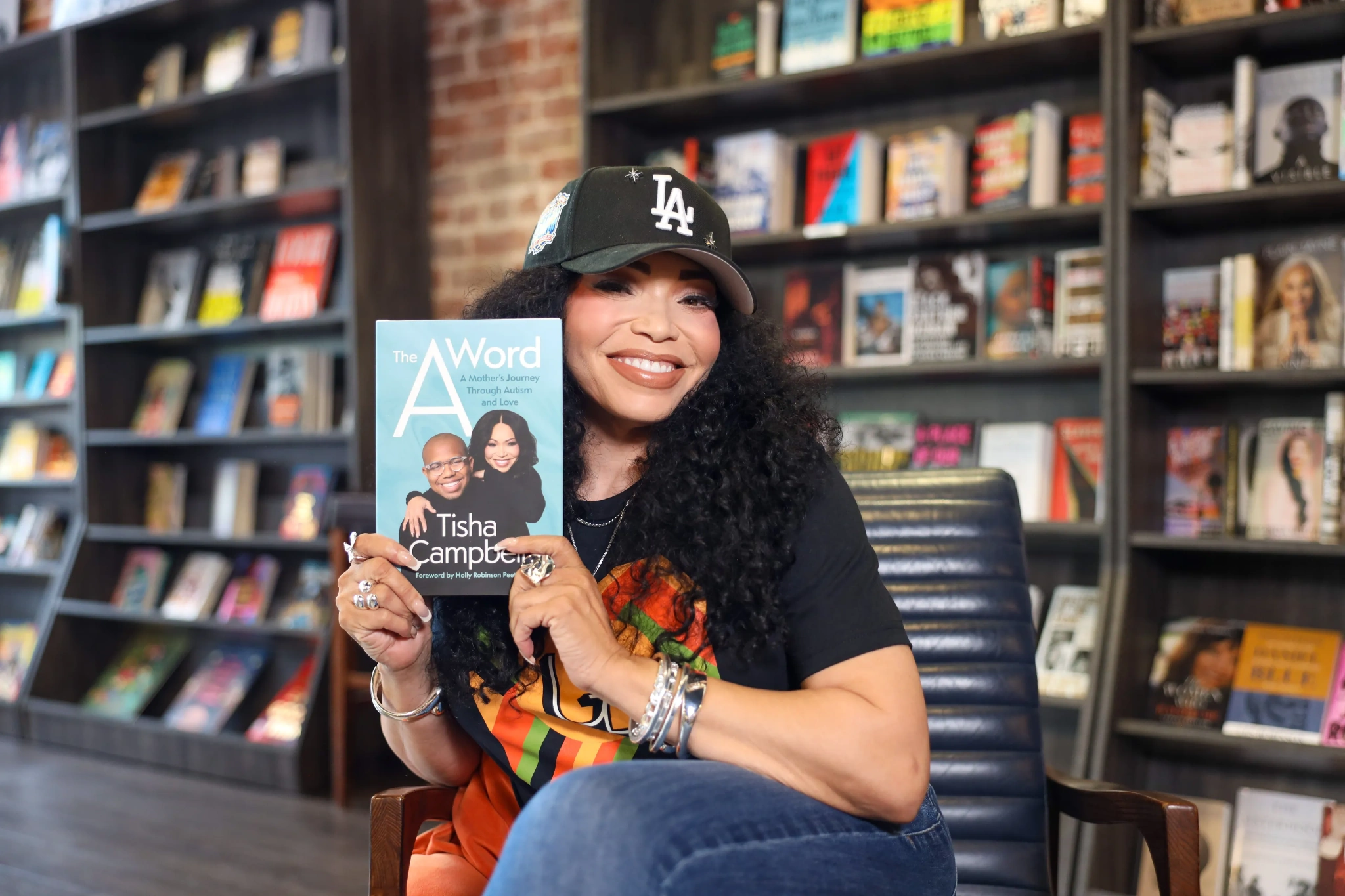
Tisha Campbell: a new public disclosure
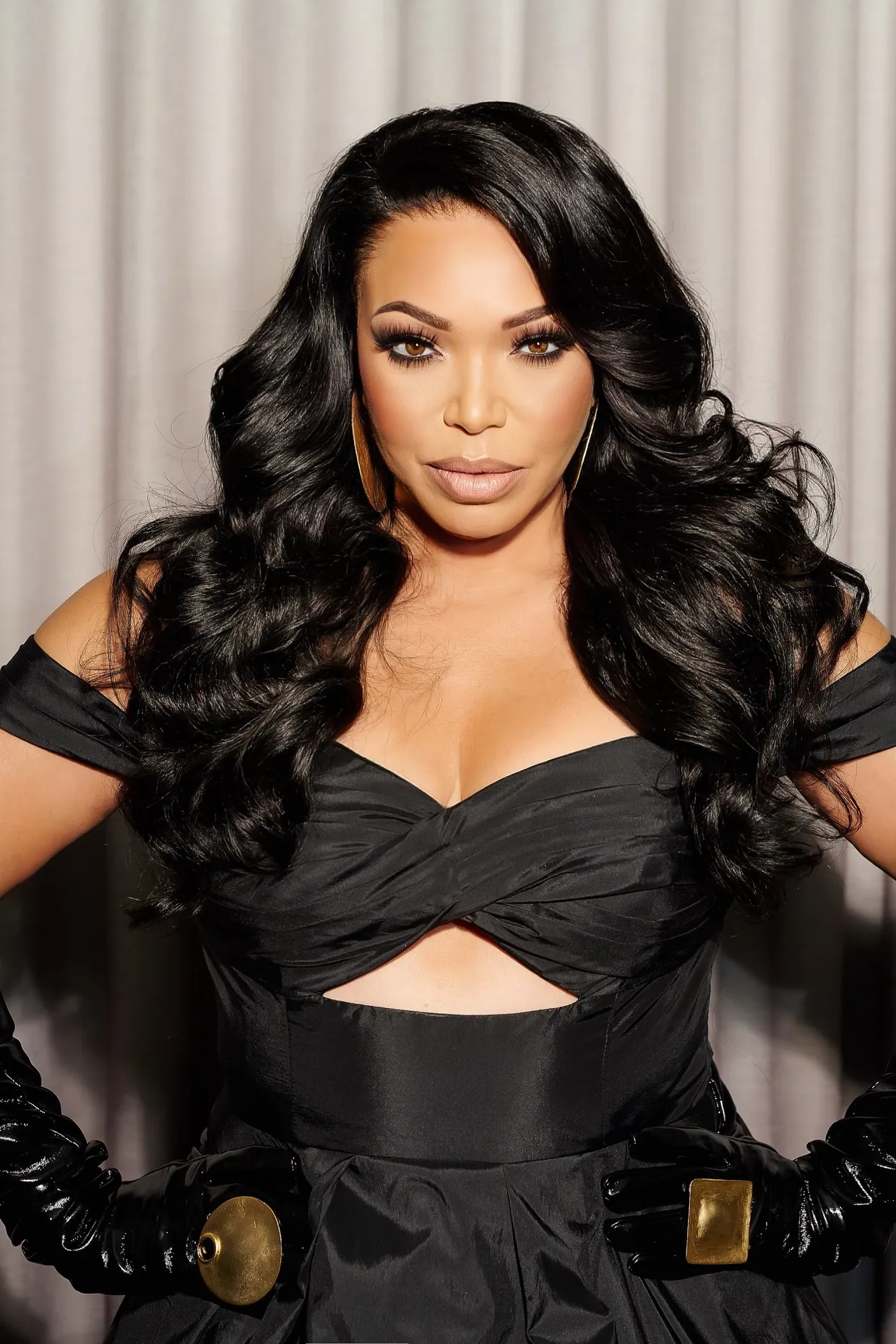
Campbell discussed her own diagnosis in September 2026 interviews. Sway’s Universe also reports her disclosure of co-occurring ADHD. Her perspective adds another dimension to the family conversations surrounding her memoir, The A Word. Read the separate book introduction and diagnosis story in our culture coverage for the source interviews.
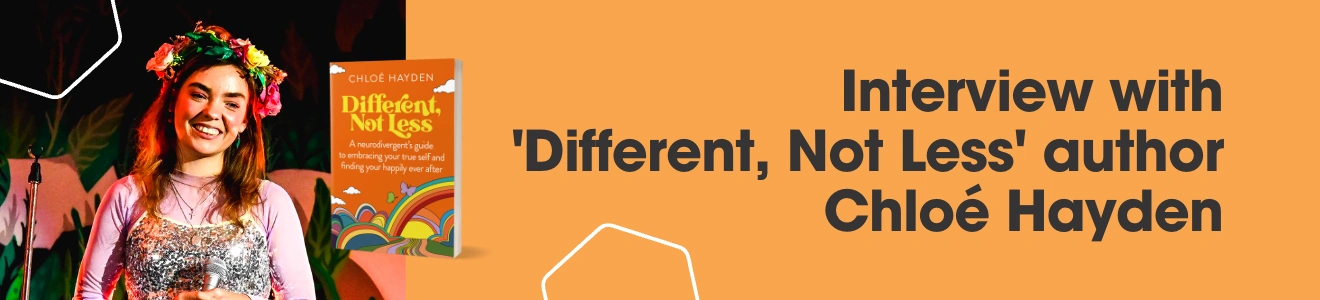
Chloé Hayden: telling a different story
In an interview with autism organization Amaze, actor and author Chloé Hayden discussed being diagnosed with autism and ADHD at 13. Her book Different, Not Less gives readers an entry point into her perspective. Representation becomes more useful when audiences read beyond a label and listen to how the person describes their life.
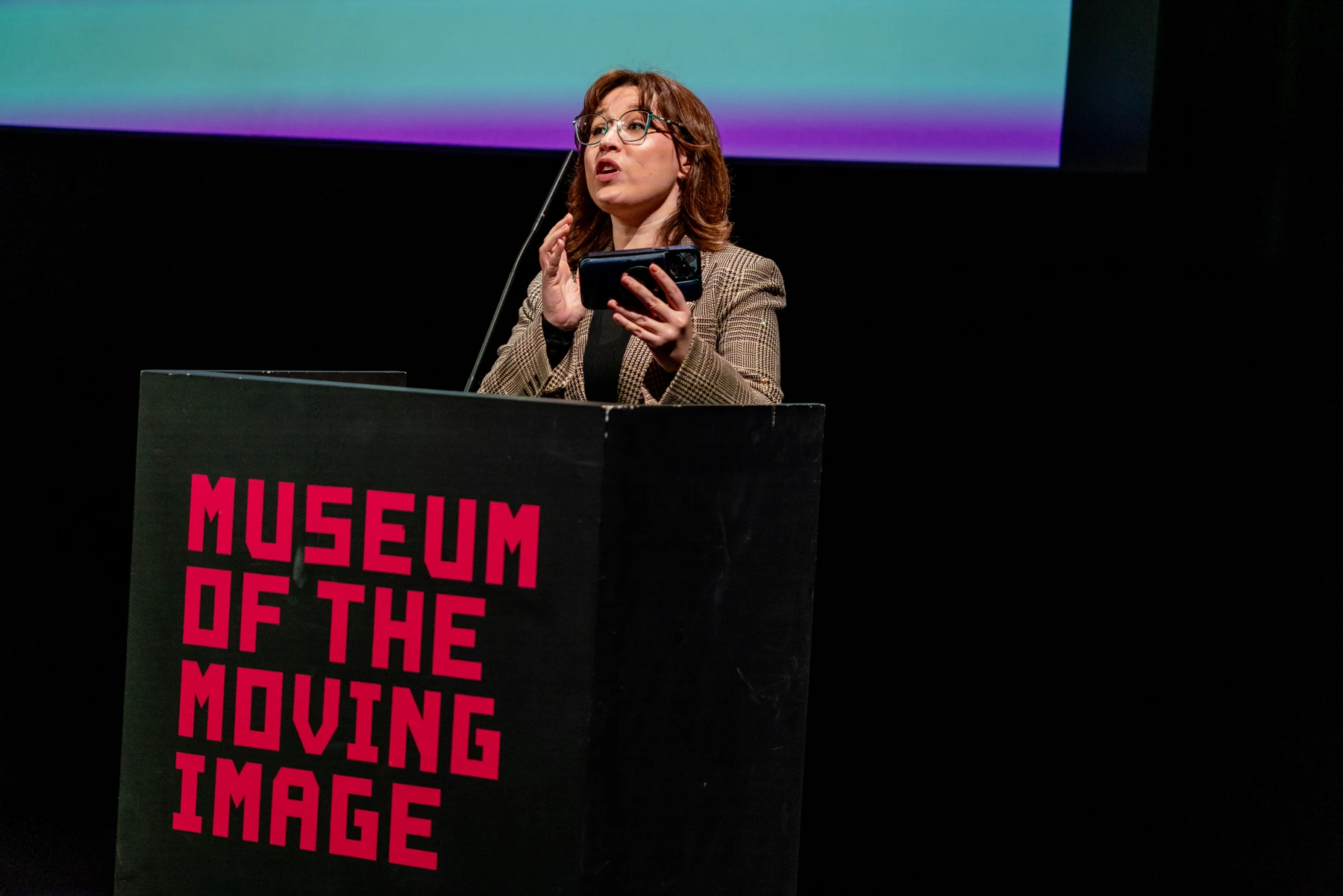
Dani Bowman: creative work and entrepreneurship
Animator and entrepreneur Dani Bowman identifies as an autistic self-advocate in her official biography. Her work through DaniMation places creativity and professional opportunity at the center of the story. An autistic creator can be an artist, teacher, employer, and advocate without having to choose one identity for the public.
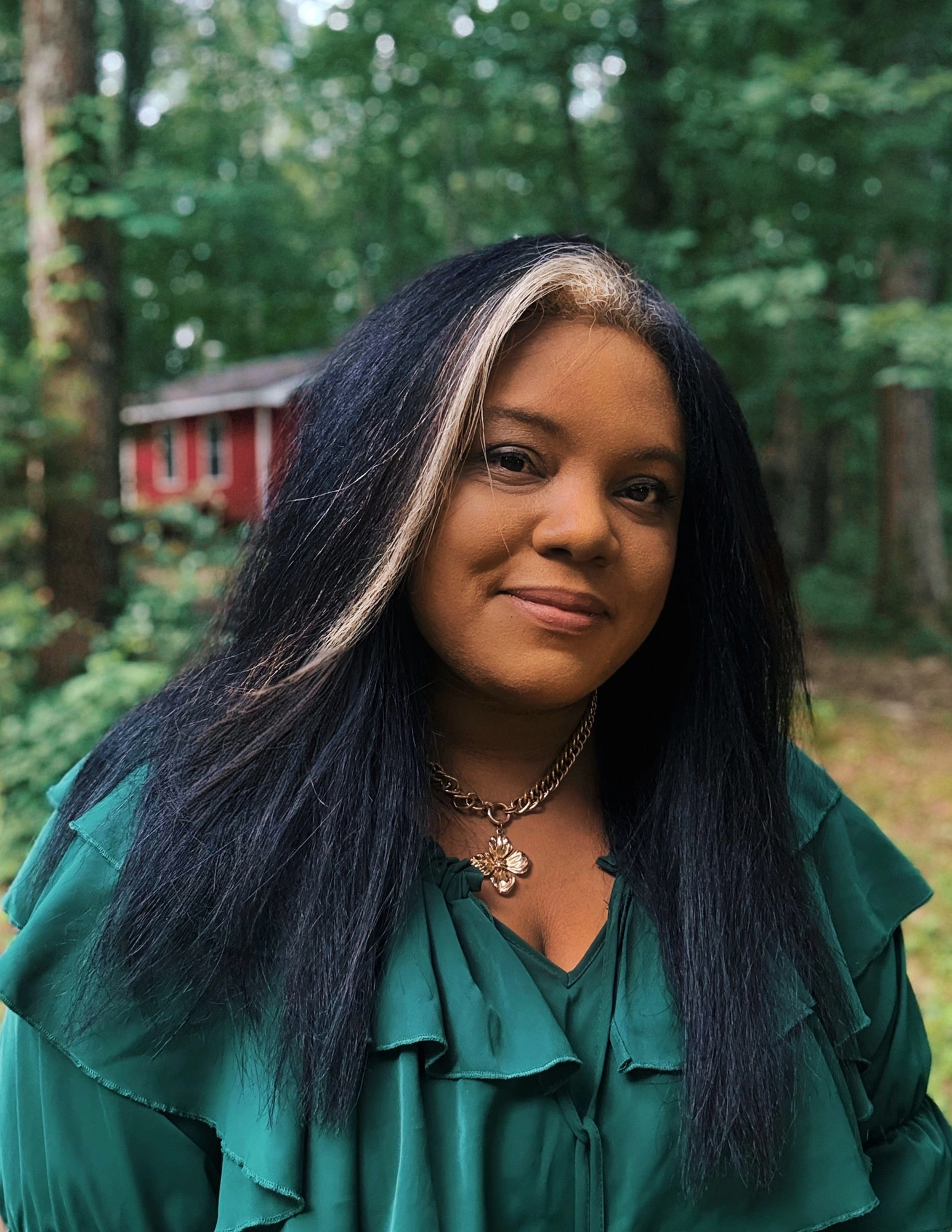
Morgan Harper Nichols: understanding in adulthood
Artist and author Morgan Harper Nichols shared her autism diagnosis in a first-person essay. Her account of receiving a diagnosis at 31 makes room for adults whose understanding arrives later. Readers should seek out the essay itself rather than rely on a compressed social-media summary.
What these stories do—and do not—tell us
Visibility can help someone feel less alone. It cannot establish another person’s diagnosis, predict a child’s future, or define which support needs count. Celebrate public figures while also respecting autistic people whose achievements are quieter, whose needs are greater, or whose lives will never be public. Recognition should widen belonging rather than create another standard to meet.
Sources & further reading
Reporting checked October 20, 2026. Service details and event availability can change.
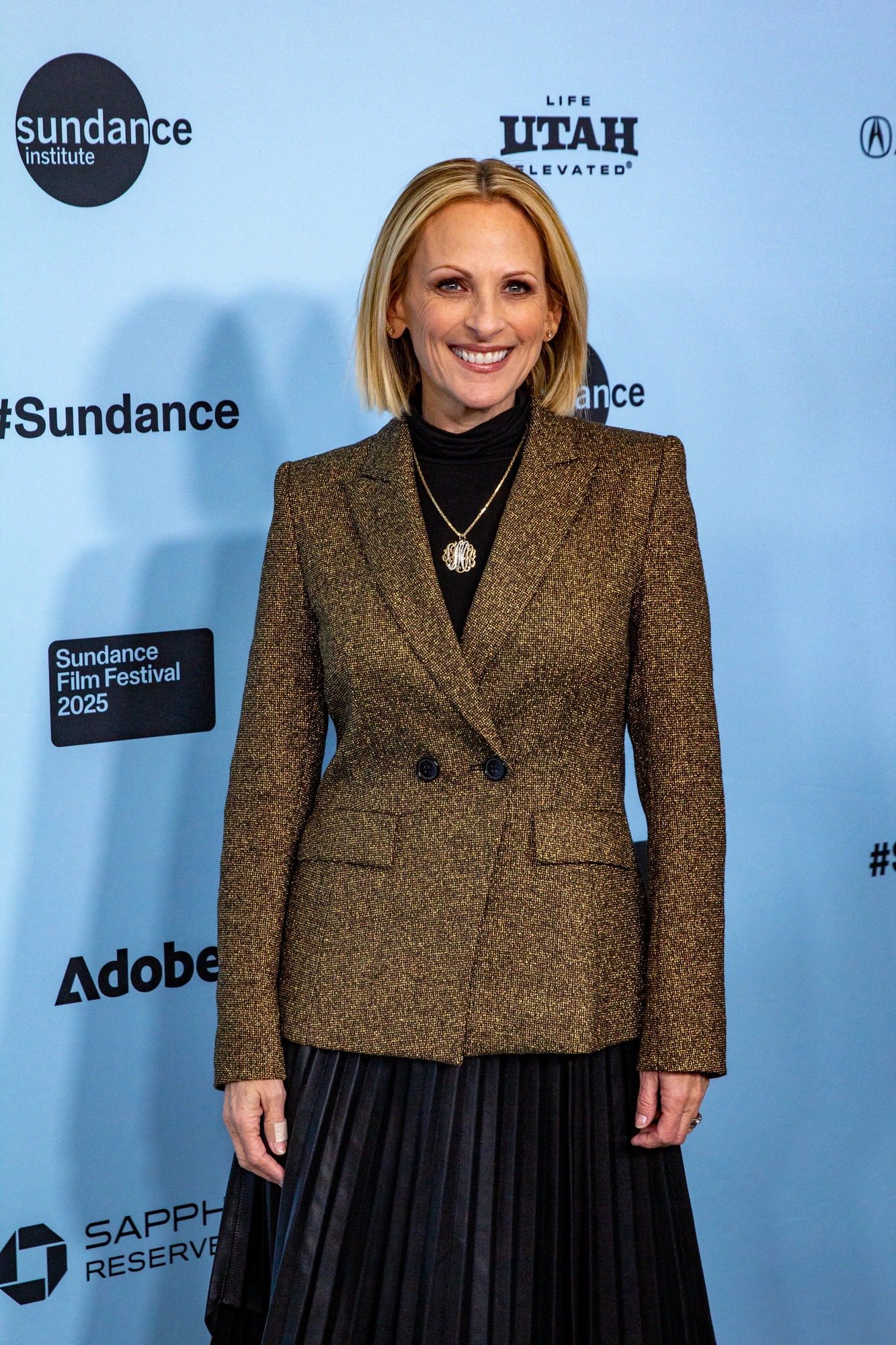
Image: Colleen Sturtevant / Wikimedia Commons, CC BY-SA 4.0. Resized and converted to WebP; the whole image is displayed without cropping. Adapted image available under the same CC BY-SA 4.0 license.
The public figures in this story