Disability representation is strongest when it makes room for many experiences. A Deaf actor, an actor living with Parkinson’s, an author discussing multiple sclerosis, and a wheelchair-using Broadway performer do not tell the same story. Together, their public work challenges the idea that disability belongs outside culture.
These profiles use public biographies and first-person publishing information. They are not invitations to speculate about anyone else’s health.
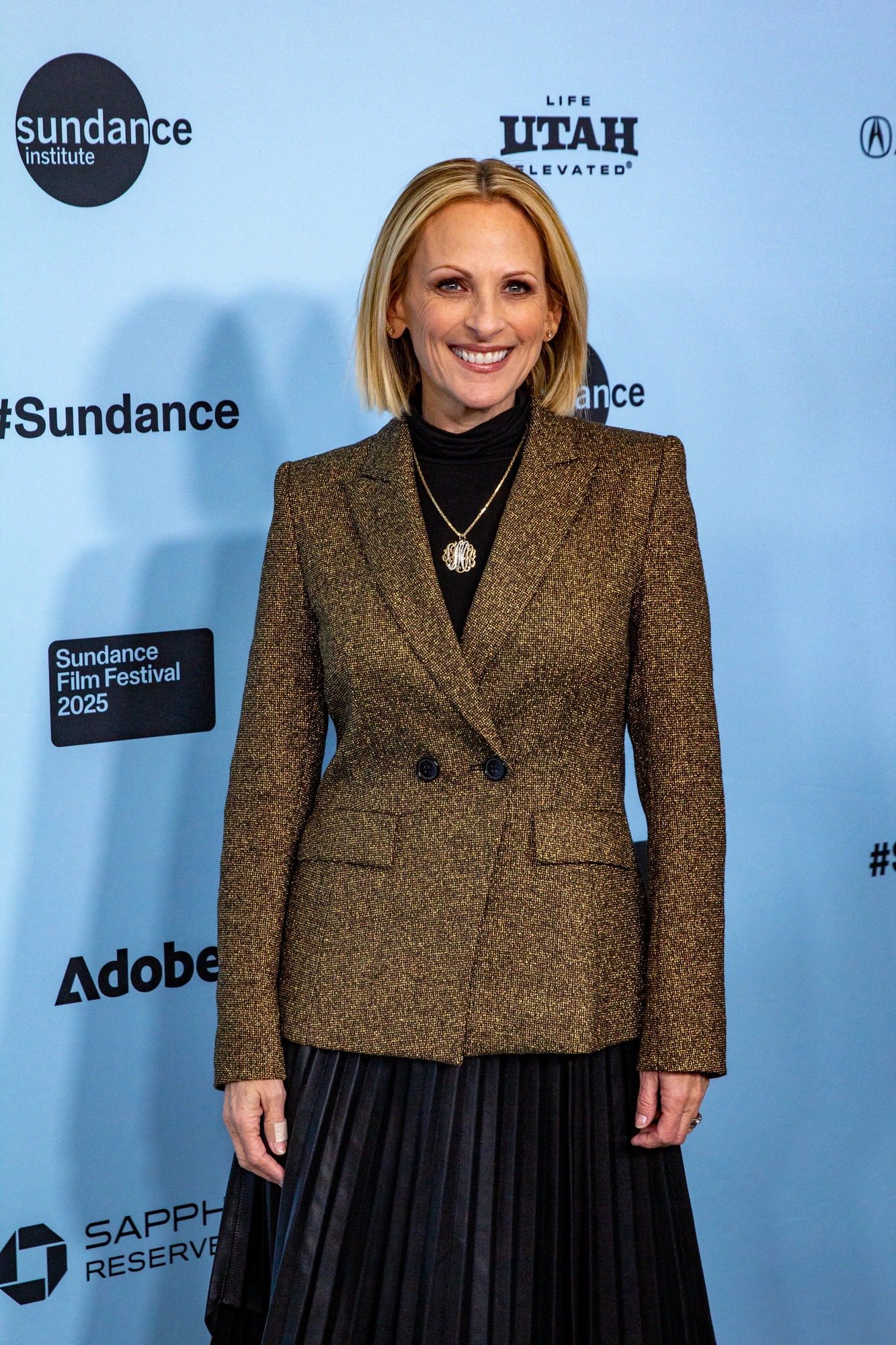
Marlee Matlin: a career with its own voice
PBS’s American Masters biography traces Matlin’s work as a Deaf actor and her Academy Award-winning performance in Children of a Lesser God. Her career invites a broader discussion about whose language and perspective reach the screen. Accessibility belongs in the production process as well as the audience experience.
Michael J. Fox: acting and advocacy
The Michael J. Fox Foundation’s biography states that Fox was diagnosed with Parkinson’s disease in 1991, at 29, and publicly disclosed it in 1998. His foundation work is another part of his public life. A person can contribute to advocacy while still deserving to be recognized for their craft and individuality.
Selma Blair: making space for her own account
The publisher of Blair’s memoir Mean Baby identifies her 2018 multiple sclerosis diagnosis as part of her story. Reading an author’s account offers more context than a photograph or headline. Her experience should not be turned into a prediction about someone else living with MS.
Ali Stroker: belonging on Broadway
Stroker’s official biography documents her Broadway work and 2019 Tony Award for Oklahoma! She uses a wheelchair and has made her presence part of a wider conversation about access to performance. Representation means asking who can reach the stage, rehearsal room, dressing room, and audition—not only who is visible in the final production.
What audiences can do next
Choose accessible performances, request captions or audio description when needed, and support disabled creators beyond a single awareness campaign. Avoid judging disability by whether it is immediately visible. The aim is a cultural landscape where people can do meaningful work without their right to participate becoming the central debate.
Sources & further reading
Reporting checked October 20, 2026. Service details and event availability can change.
Photograph: Adam Chitayat / Wikimedia Commons · CC BY-SA 4.0. Resized and converted to WebP; previews may crop the image. The adapted photograph remains available under CC BY-SA 4.0.