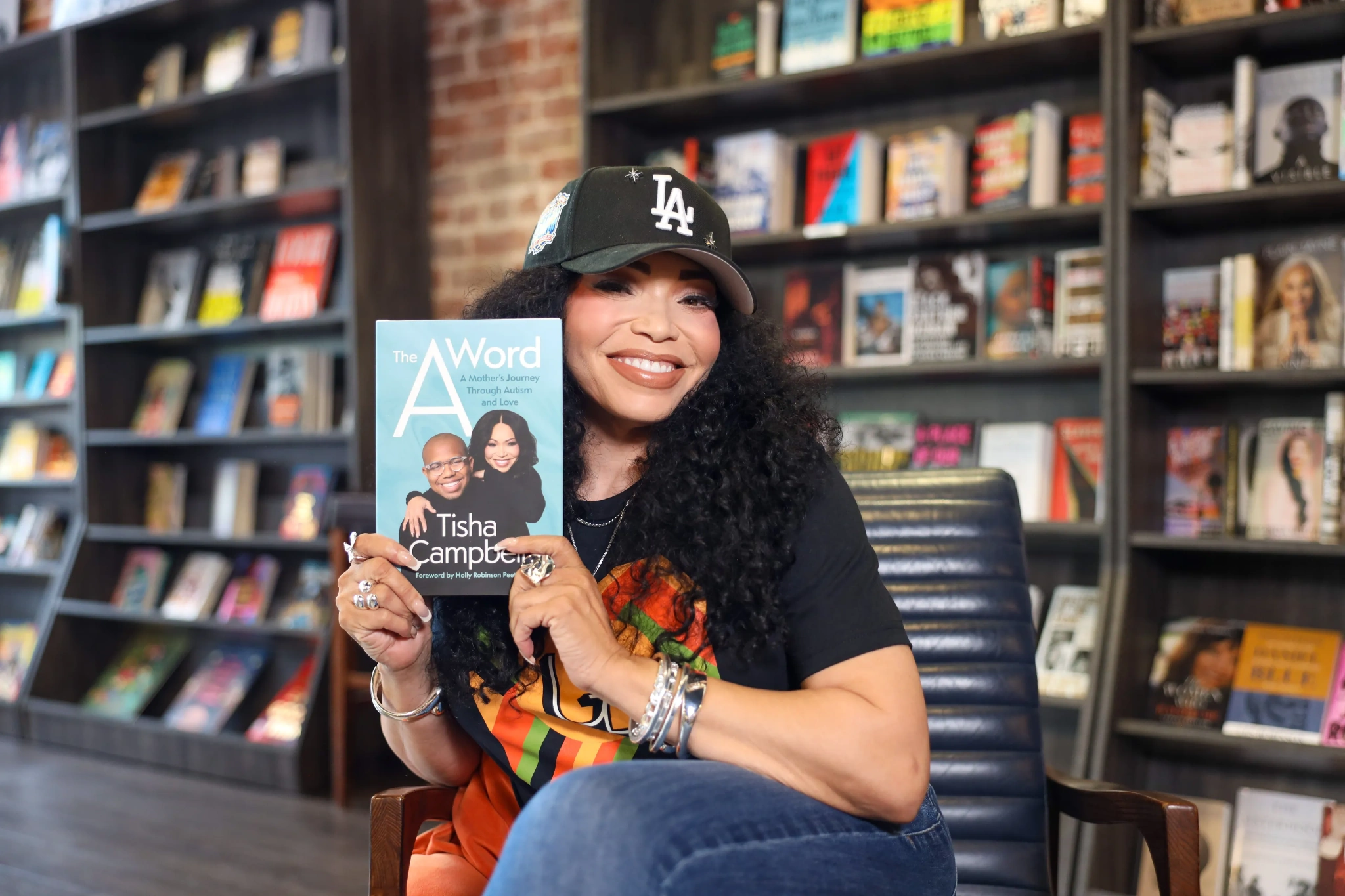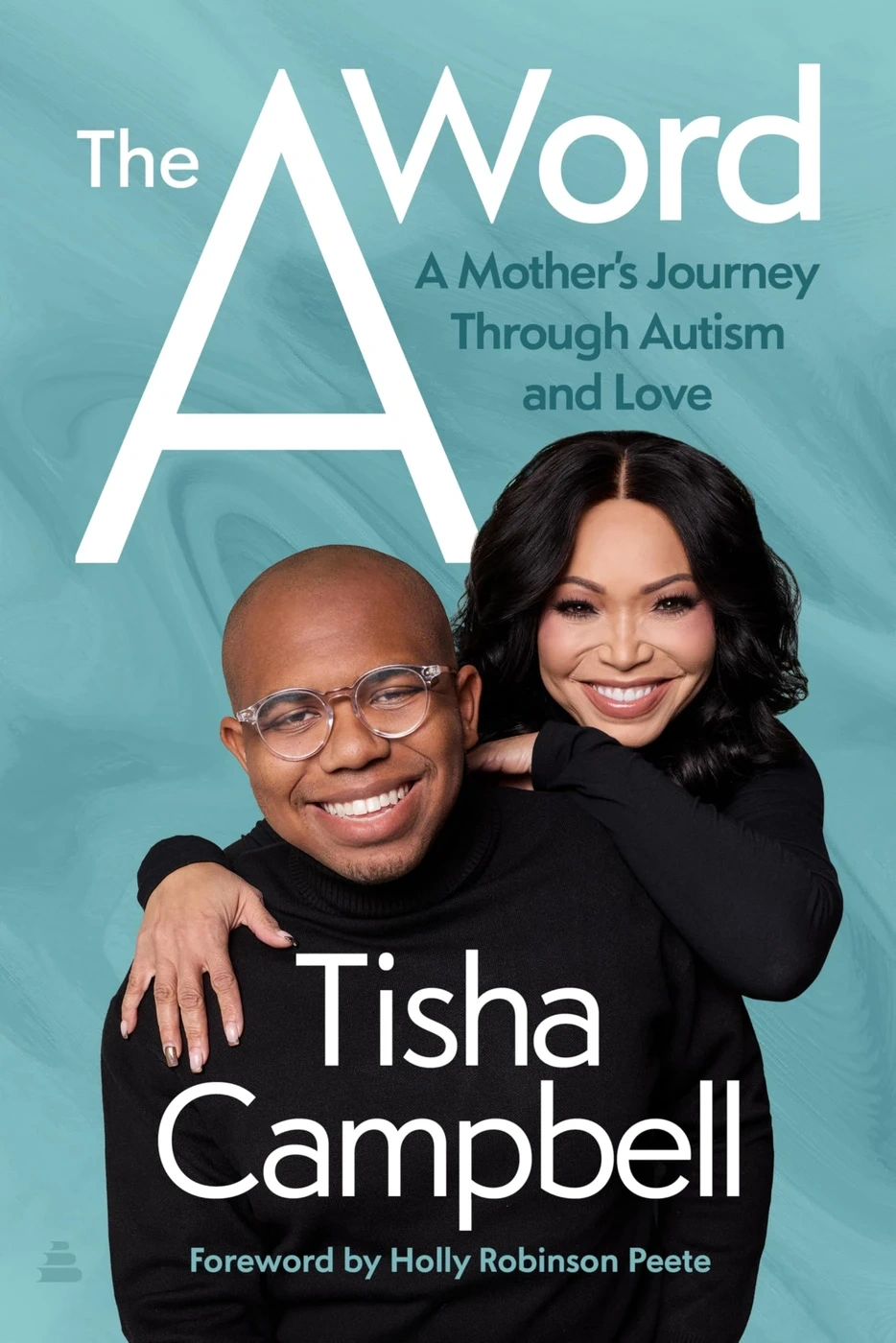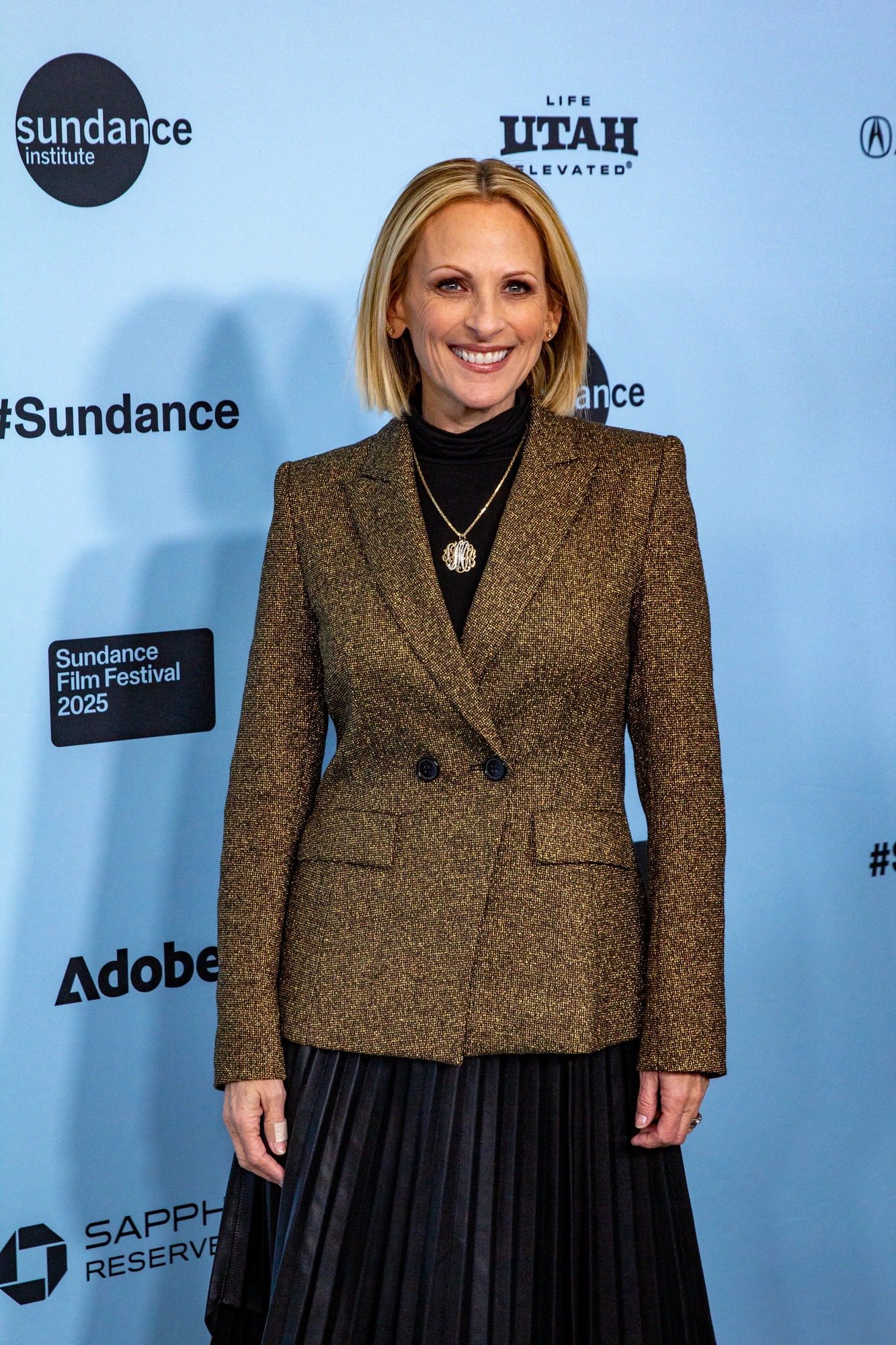
Tisha Campbell is speaking about autism from another position in her family: her own. In September 2026 interviews, the actor discussed receiving an autism diagnosis. Sway’s Universe’s September 28 account of its interview also reports her disclosure of ADHD, describing the combination as AuDHD.
This is a public self-disclosure. It is not a diagnosis made by this magazine, and it does not give outsiders permission to interpret another person’s behavior from a clip, a role, or a photograph.
What does AuDHD mean here?
AuDHD is an informal term people use when talking about co-occurring autism and ADHD. In this story, it describes what Campbell has shared about herself. The term should not be used as a shortcut for deciding whether someone else has either condition.
For adults who have spent years supporting a child, a public conversation like this can raise personal questions. It can also bring relief, uncertainty, grief, or a wish for privacy. No celebrity interview can tell a reader what their own assessment would find.
A different way to hear a familiar voice
Campbell’s disclosure invites audiences to recognize that professional visibility and a private search for understanding can exist together. A successful career does not tell us everything about the effort a person uses to navigate the world. Equally, a public disclosure does not make a person’s whole life an autism lesson.
When discussing an interview with friends or family, begin with what the speaker actually said. Avoid turning energetic, quiet, creative, or socially confident behavior into evidence for or against a diagnosis. Leave room for a person to choose the words they prefer.
If the story feels personal
Write down the questions you want to explore and consider discussing them with a qualified clinician familiar with adult autism and ADHD. Ask about the assessment process, cost, and relevant experience before booking. A thoughtful next step can be a conversation rather than an immediate conclusion.
The lasting value of Campbell’s disclosure is the space it opens for people to be heard in their own words. That space should include adults who want support as well as adults who do not want their private history made public.
Sources & further reading
Reporting checked October 20, 2026. Service details and event availability can change.
In pictures