
Animation turns an idea into movement, one decision at a time. For Dani Bowman, it is also part of a public story about autistic talent and professional opportunity. Bowman’s official biography identifies her as an animator, entrepreneur, and autistic self-advocate. Through DaniMation, she connects creative work with teaching and a business built around animation.
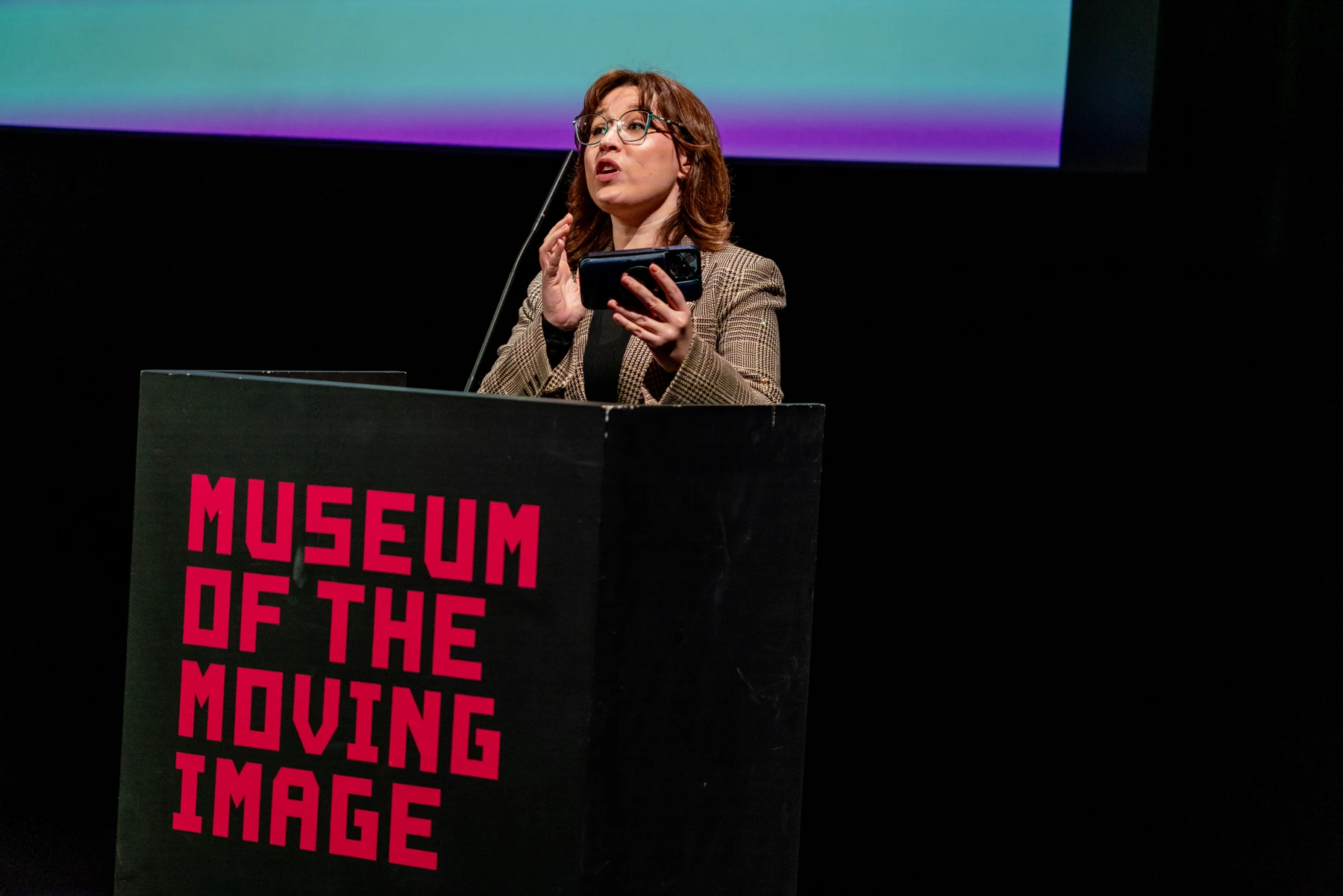
A photograph from the March 2026 Marvels of Media Festival at the Museum of the Moving Image captures her speaking in a space devoted to media. The moment is a useful reminder: autistic people belong among the people shaping culture, not only among the people being described by it.
More than a single success story
DaniMation’s team and program information show how many kinds of work can sit behind an animated project. Families exploring a creative interest can use that as a starting point for questions about storytelling, drawing, editing, sound, and production. A young person may enjoy one part of the process more than another.
None of those interests needs to begin as a career plan. Making a short scene for pleasure is worthwhile. So is deciding that a different medium feels better.
Questions to ask about an animation class
Before paying for a program, ask about the software and equipment required, class size, pacing, communication options, feedback, and the instructor’s approach to support. Request current pricing, scheduling, and enrollment details directly from the provider. A program that works well for one student may not suit another.
Students should also know whether they can take breaks, ask questions in writing, and keep ownership of their work. Those are practical conversations about learning conditions rather than judgments about talent.
A wider definition of opportunity
Bowman’s work offers families a reason to look beyond a narrow list of expected jobs. It also raises an important expectation for employers: enthusiasm for autistic talent should come with clear instructions, fair pay, accessible processes, and respect for individual needs.
Creative possibility becomes more meaningful when people can participate on workable terms. Supporting a creator means taking their work seriously and making room for the person doing it.
Sources & further reading
Reporting checked October 20, 2026. Service details and event availability can change.
Image: Colleen Sturtevant / Wikimedia Commons, CC BY-SA 4.0. Resized and converted to WebP; the whole image is displayed without cropping. Adapted image available under the same CC BY-SA 4.0 license.