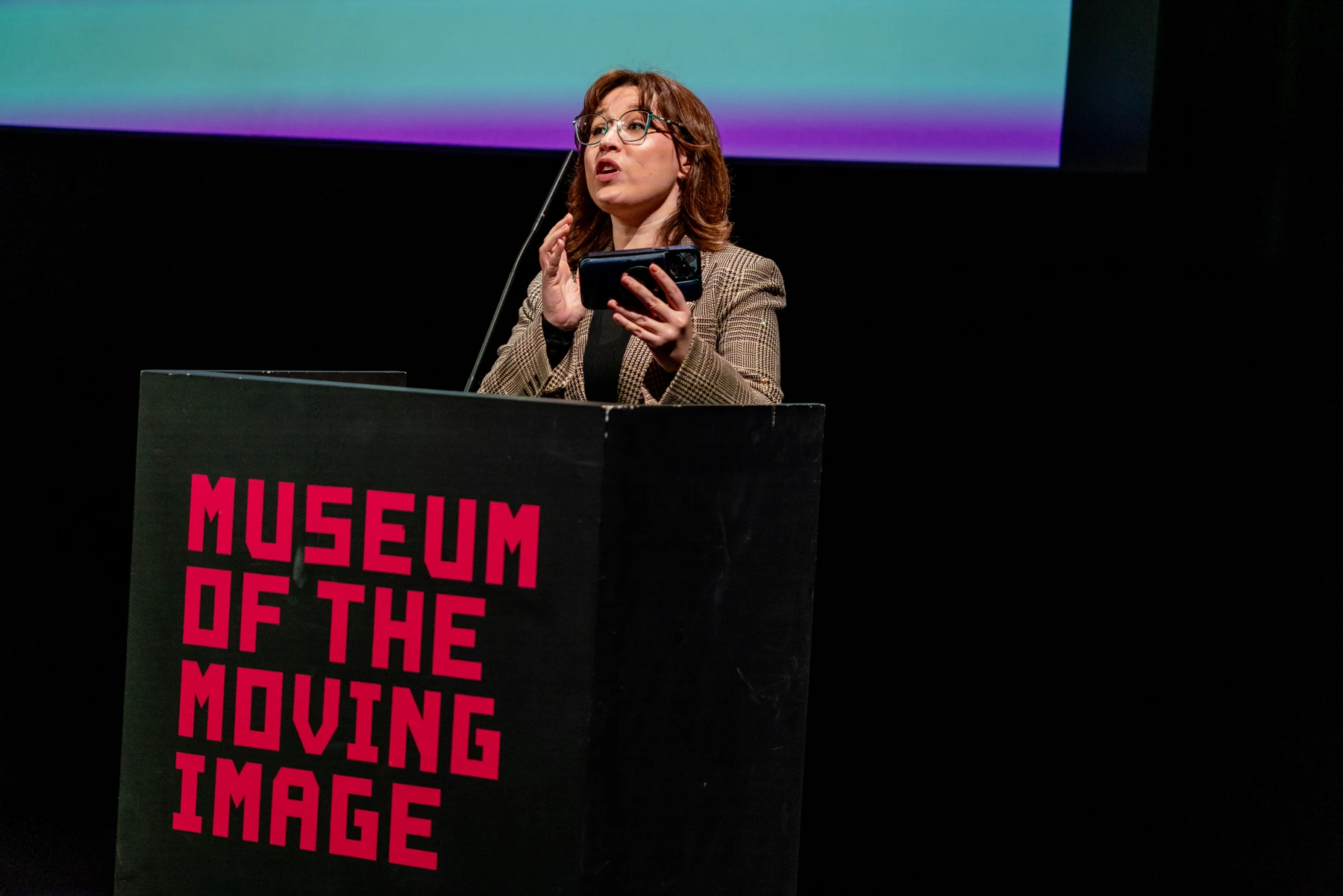

An artist can give other people language for their feelings while still searching for language to understand herself. Morgan Harper Nichols’s public account of being autistic brings that tension into view. In her first-person essay, she describes receiving an autism diagnosis at 31; her official biography also identifies ADHD and sensory processing disorder.
Her story is worth reading directly. It is an individual account, not a checklist for deciding whether another artist, woman, or family member is autistic.
Creativity is part of a whole person
Nichols is known for art and writing. Her diagnosis does not replace those identities or explain away her creative work. Readers can appreciate the work and listen to the person behind it without treating every line or color as a diagnostic clue.
That distinction matters for families, too. A child who loves drawing deserves access to materials, encouragement, and time to experiment. They do not have to become an exceptional artist for their interests to matter. An adult does not need public recognition to deserve support.
When understanding arrives later
A later diagnosis can change the questions someone asks about earlier experiences. It does not mean the years before it were inauthentic. A person may want to revisit parts of their history, or they may prefer to focus on what would help them now.
Friends can make that process easier by asking what kind of response is welcome. Would the person like listening, practical help, resources, or space? Avoid asking them to prove their experience by performing a stereotype. Avoid making a family gathering the place for an uninvited assessment conversation.
Reading with care
If Nichols’s essay resonates, take time with it rather than treating resonance as a diagnosis. Note what feels familiar and what does not. Questions about your own health or assessment belong with an appropriately qualified professional who can consider your circumstances.
Public stories like this can make a private conversation feel more possible. Their greatest value may be the permission to approach a person with less certainty and more attention: to hear their account, honor their boundaries, and ask what they need today.
Sources & further reading
Reporting checked October 20, 2026. Service details and event availability can change.
Photograph: Morgan Harper Nichols / Wikimedia Commons · CC0 1.0. Resized and converted to WebP; previews may crop the image.